Best Sustainable Home Decor to Buy in India for a More Conscious Home

Creating a more conscious home doesn't mean giving up on beautiful interiors. In fact, choosing natural materials, handcrafted products and long-lasting decorative pieces can make a home feel more personal while reducing the dependence on mass-produced decor.
From teak wood and coconut shells to cane, banana fibre, sea grass and water hyacinth, natural materials can bring warmth and texture into contemporary Indian homes. Handcrafted pieces also add individuality because small variations in texture, colour and finish are part of what makes them unique.
The idea is simple: buy fewer pieces, choose them thoughtfully and select decor that can remain relevant for years rather than following every passing trend.
Here are some of the best sustainable and natural-material home decor pieces to consider when creating a more conscious home in India.
1. Start With Teak Wood Tableware
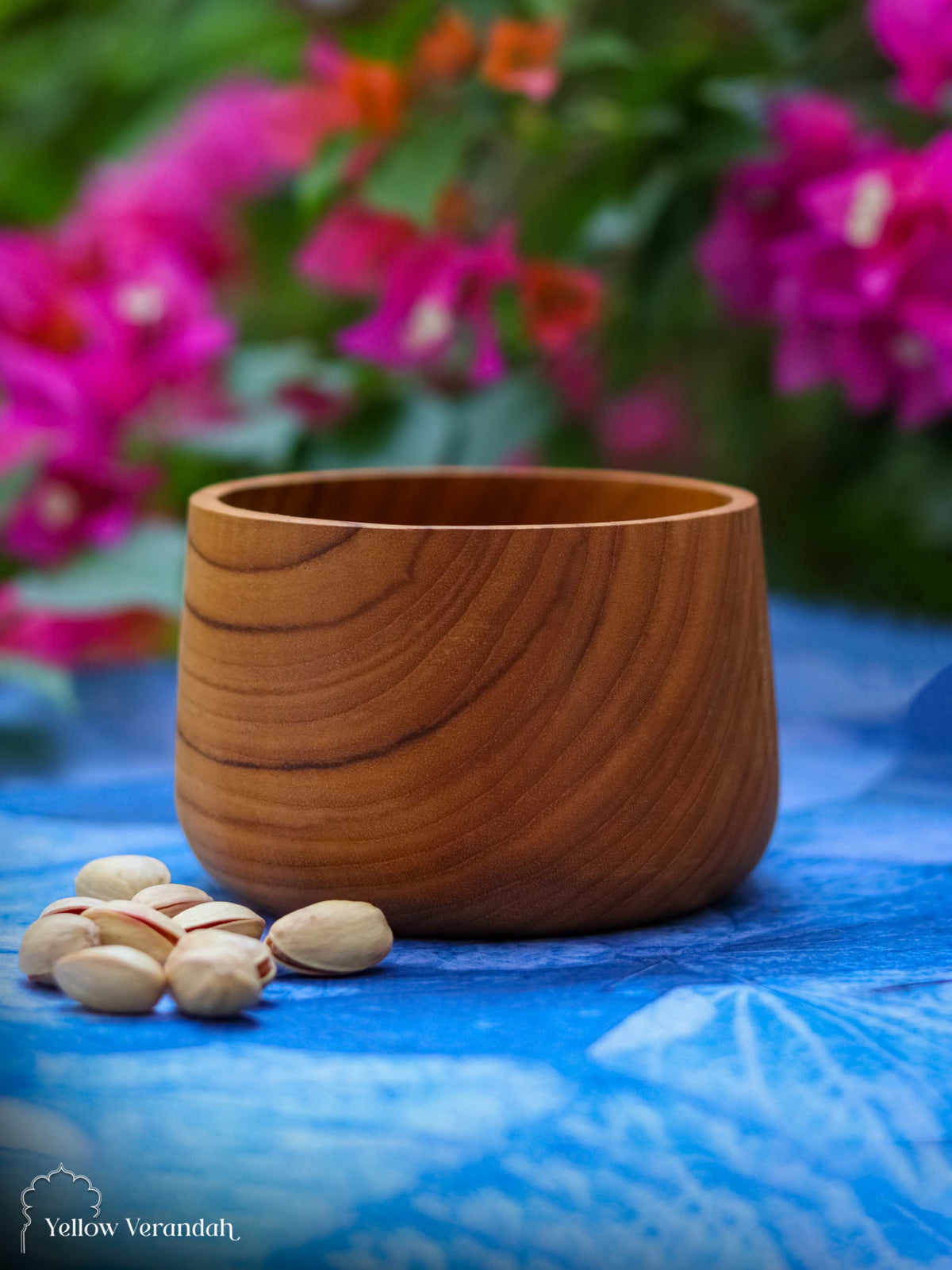
One of the easiest ways to introduce natural materials into your home is through everyday tableware.
A Teak Wood Serving Bowl can replace decorative or serving pieces made from heavily processed materials while adding a warm, organic element to your dining table.
Teak has a naturally rich appearance, so even a simple wooden bowl can become part of the decor. Use it for serving dry snacks, fruits or salads, or incorporate it into an earthy tablescape with linen napkins and ceramic tableware.
Best for: Conscious dining, everyday serving and natural tablescapes.
2. Choose Coconut Shell Bowls
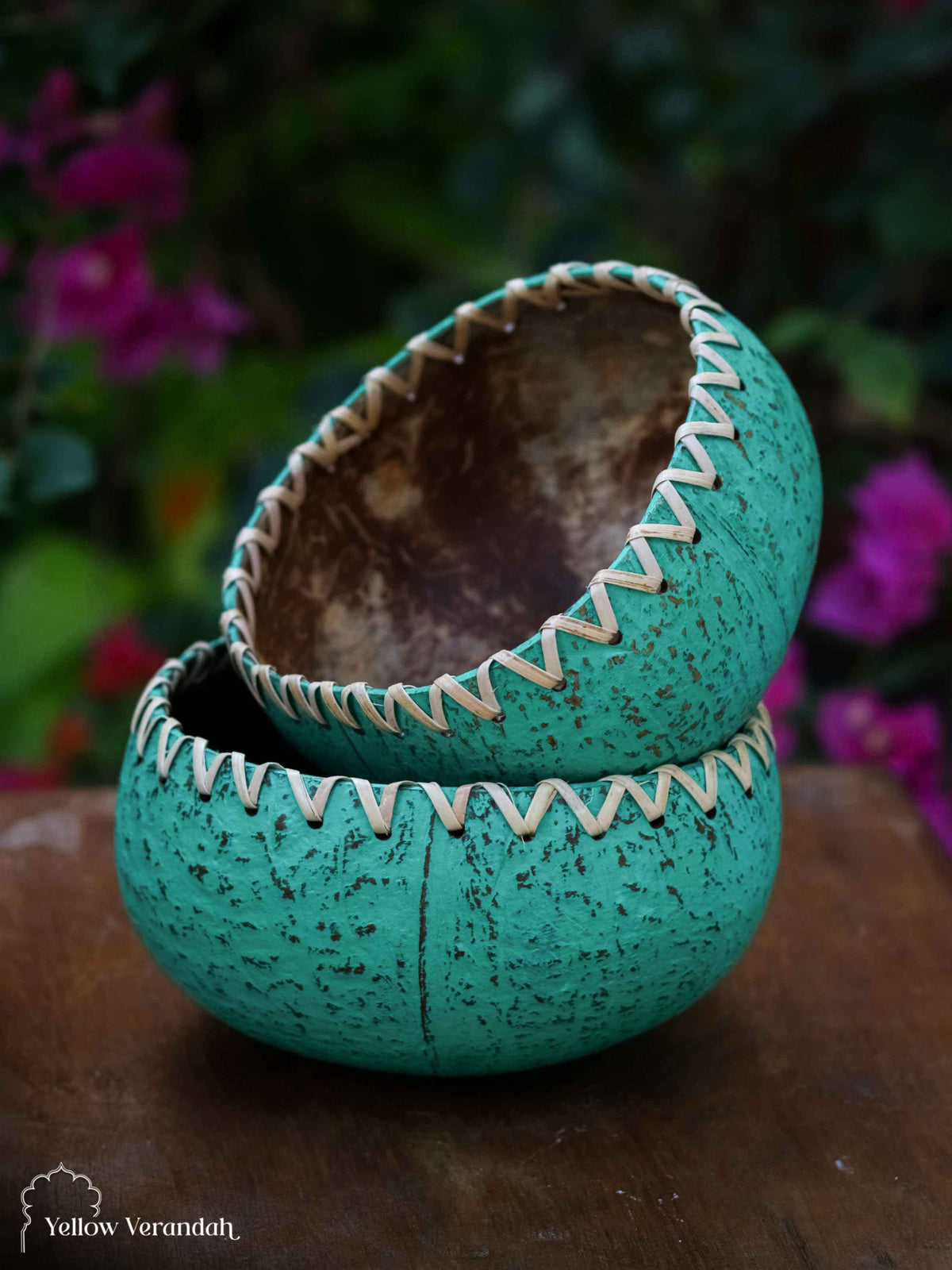
Coconut shells are a wonderful example of how natural materials can be turned into functional objects.
A Natural Coconut Bowl for Serving brings an organic, handcrafted quality to the table. Its naturally irregular appearance works especially well with bohemian, coastal, rustic and contemporary interiors.
Use coconut bowls for snacks, dry ingredients or as part of a casual breakfast setup. They also make an easy addition to a natural-material collection without requiring a major change to your existing decor.
Best for: Breakfast tables, casual dining and boho-inspired homes.
3. Add Handwoven Water Hyacinth
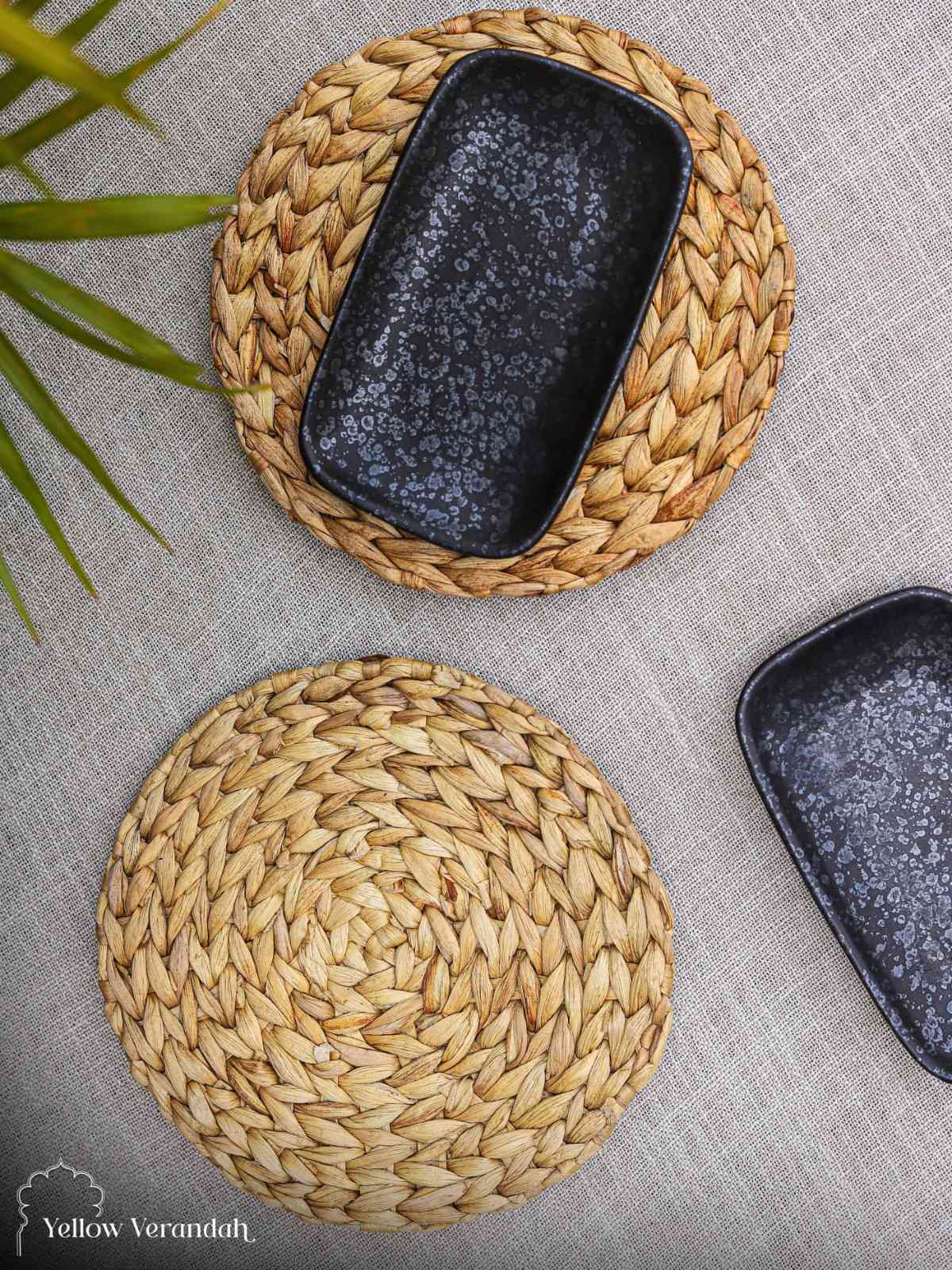
Natural fibres can introduce texture without overwhelming a room.
Handwoven water hyacinth is particularly useful for creating an earthy tablescape. Handwoven Water Hyacinth Placemats can be paired with wooden plates, ceramic dinnerware and linen textiles to create a relaxed dining setting.
The woven texture also helps break up smooth surfaces such as glass and polished stone.
Best for: Dining tables, brunch setups and relaxed entertaining.
4. Bring in Banana Fibre Lighting
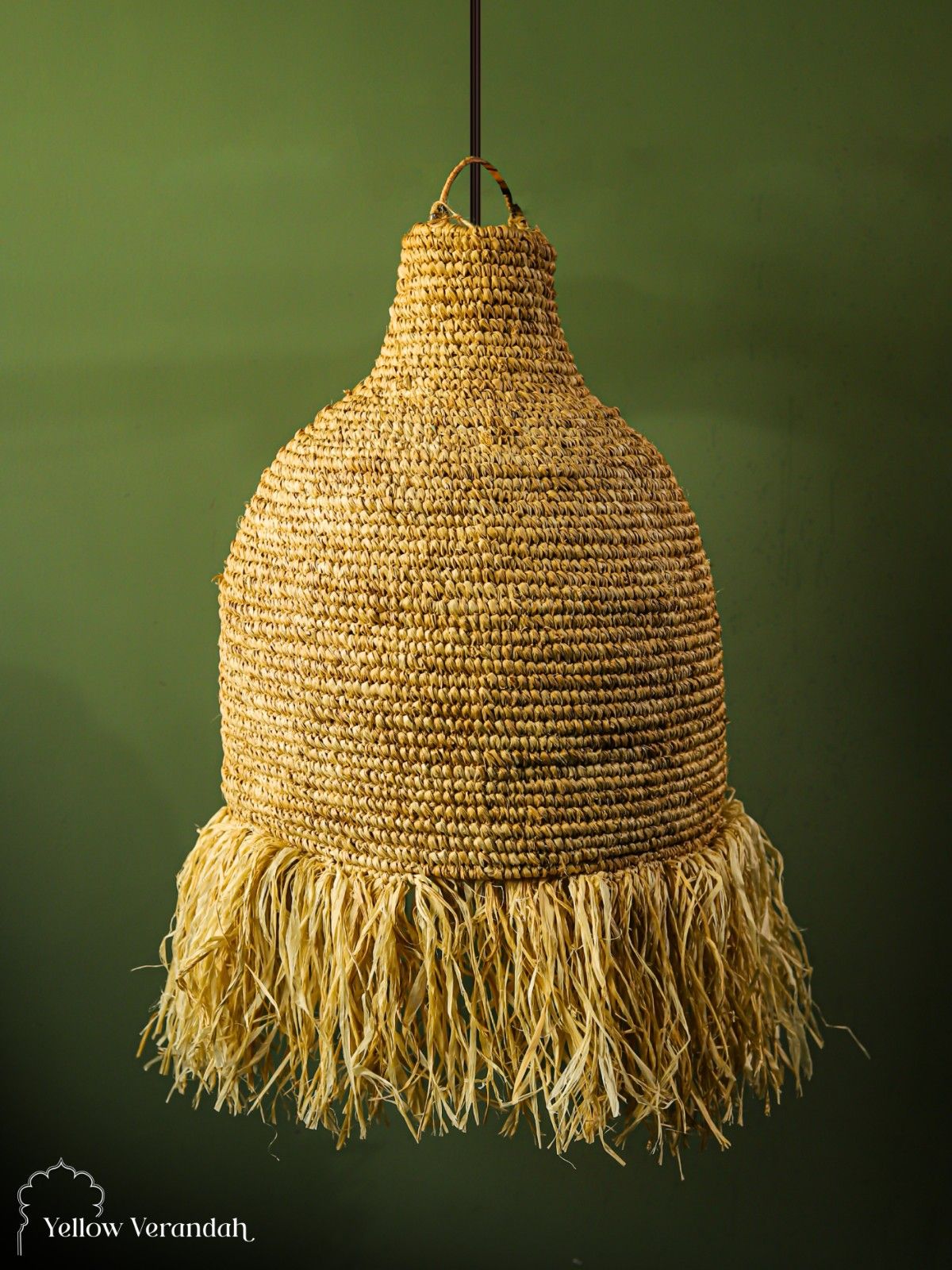
Sustainability can extend beyond tableware and into your lighting choices.
The Banana Weave Pendant Hanging Light combines woven banana fibre and sea grass in an organic pendant design. Natural woven lighting can add texture to an otherwise minimal room while creating softer patterns of light.
Use a pendant above a dining table, in a living room or in an entryway where the fixture can become part of the visual composition.
Best for: Dining areas, living rooms and contemporary earthy interiors.
5. Choose Natural Cane Lighting
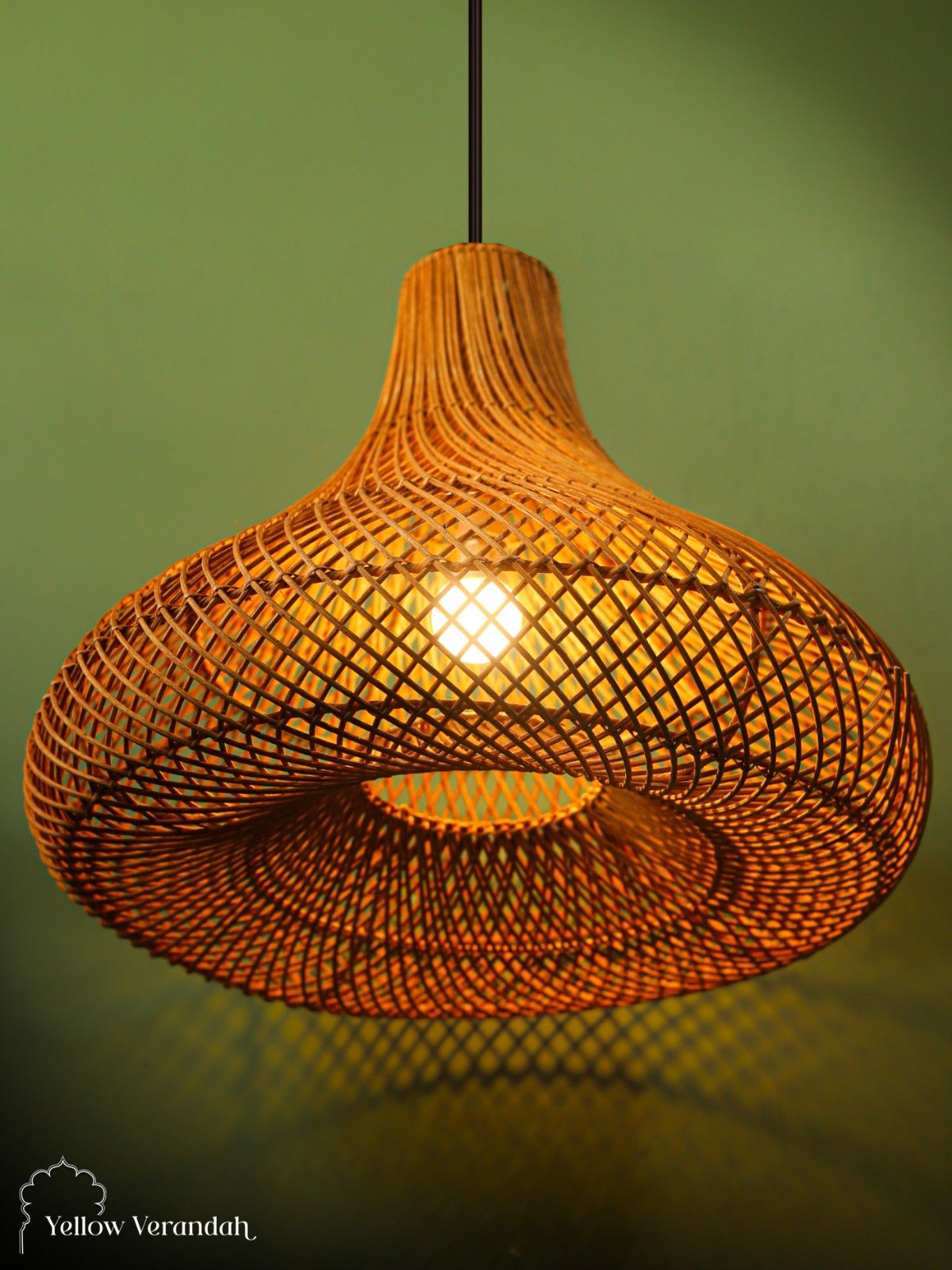
Cane is another material that works beautifully in conscious interiors.
The Natural Cane Boho Hanging Pendant Light uses woven Indonesian cane to create an open, airy silhouette. The natural weave allows light to filter through the fixture, adding both texture and atmosphere.
Cane lighting works particularly well with wood, linen, jute, rattan and neutral colour palettes.
Best for: Modern, bohemian, coastal and Japandi-inspired homes.
6. Use Jute for a Textured Focal Point
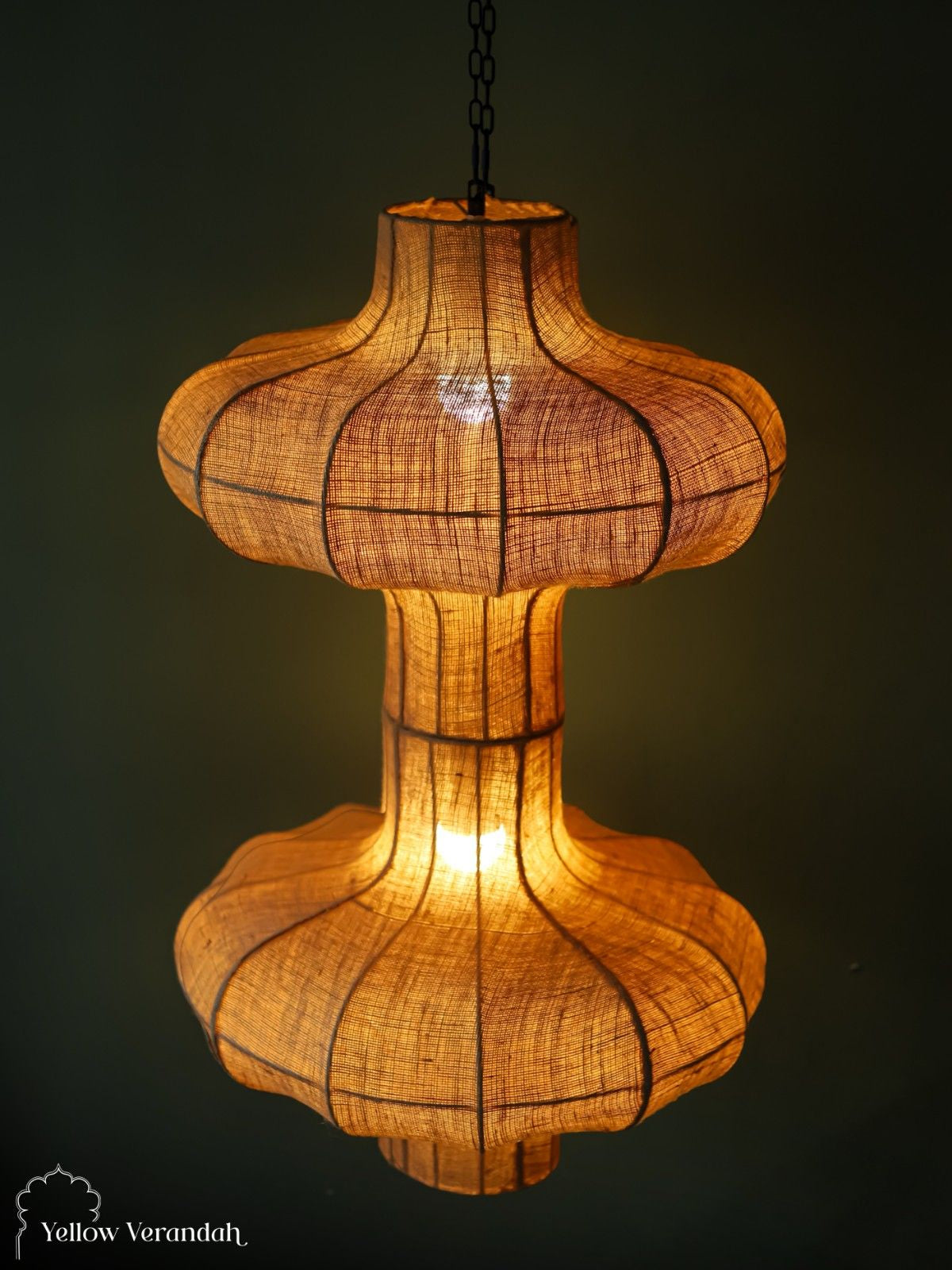
If you want sustainable decor to feel contemporary rather than overly rustic, look for natural materials used in sculptural forms.
The Sculptural Hourglass Jute Pendant Light is a good example. The familiar natural texture of jute is given a more contemporary silhouette, allowing it to work with modern furniture.
This is a useful approach throughout the home: choose traditional or natural materials, but look for shapes that complement your current interior style.
Best for: Contemporary living rooms, bedrooms and dining areas.
7. Bring in Drifted Wood Decor
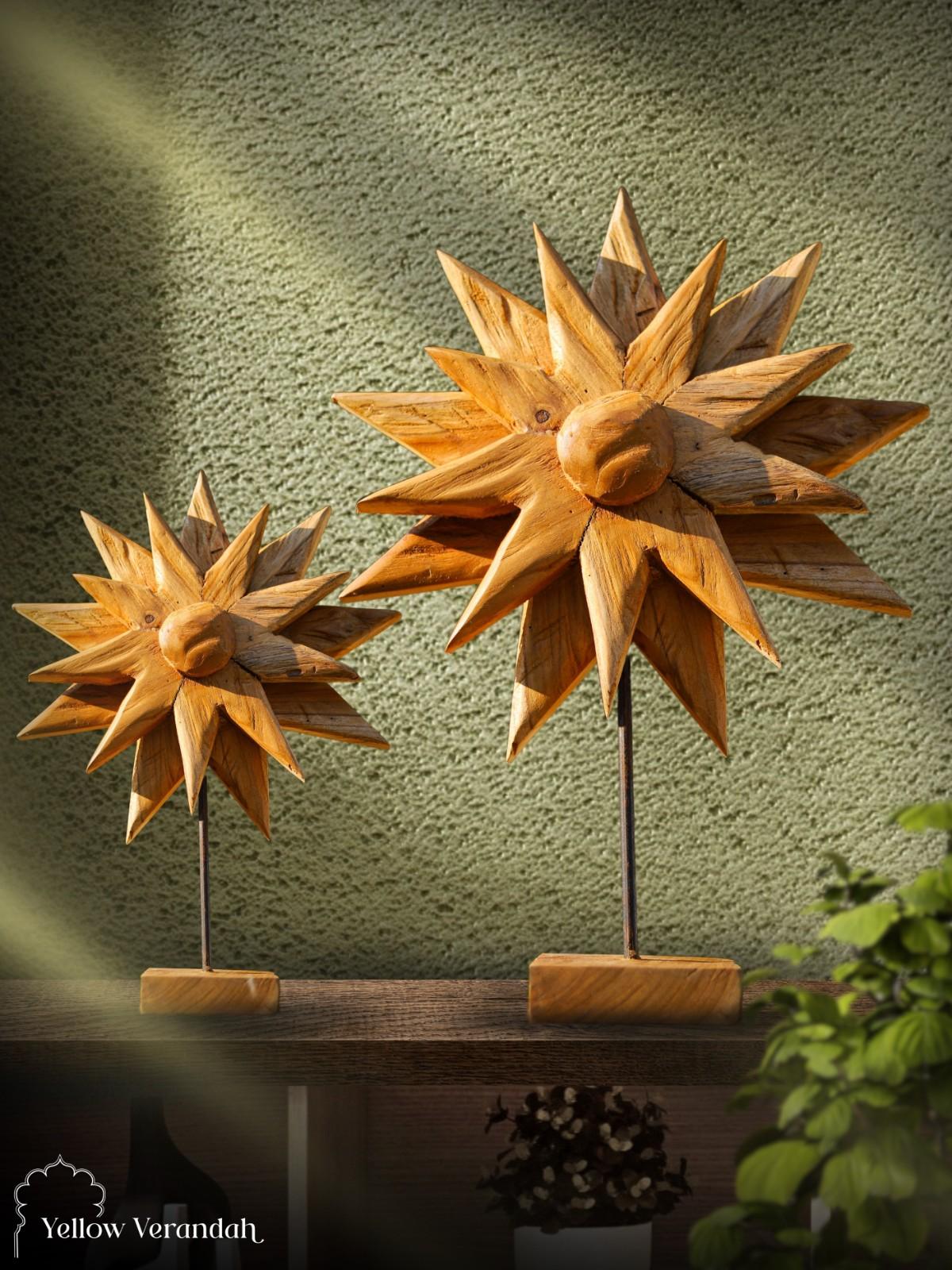
Drifted or reclaimed-looking wood can add character to a home without requiring bright colours or elaborate decoration.
The Drifted Wood Flower Decor is made from old drifted teak wood and shaped into a distinctive flower-inspired form.
Its naturally weathered character makes it suitable for coffee tables, consoles and bookshelves. It can also work as a standalone statement piece, reducing the need to fill the surface with multiple smaller accessories.
Best for: Coffee tables, consoles and natural contemporary interiors.
8. Consider Paper Mache Decor
Paper-based crafts are another way to bring handmade character into your interiors.
A Paper Mache Fruit Bowl can be used as both a functional and decorative object. Rather than buying decor purely for display, choosing pieces that can serve a practical purpose is one way to make a more considered purchase.
Place a sculptural bowl on a dining table, kitchen counter or console and use it to hold fruit or other everyday objects.
Best for: Dining spaces, kitchen counters and multipurpose decor.
9. Choose Wooden Serving Platters
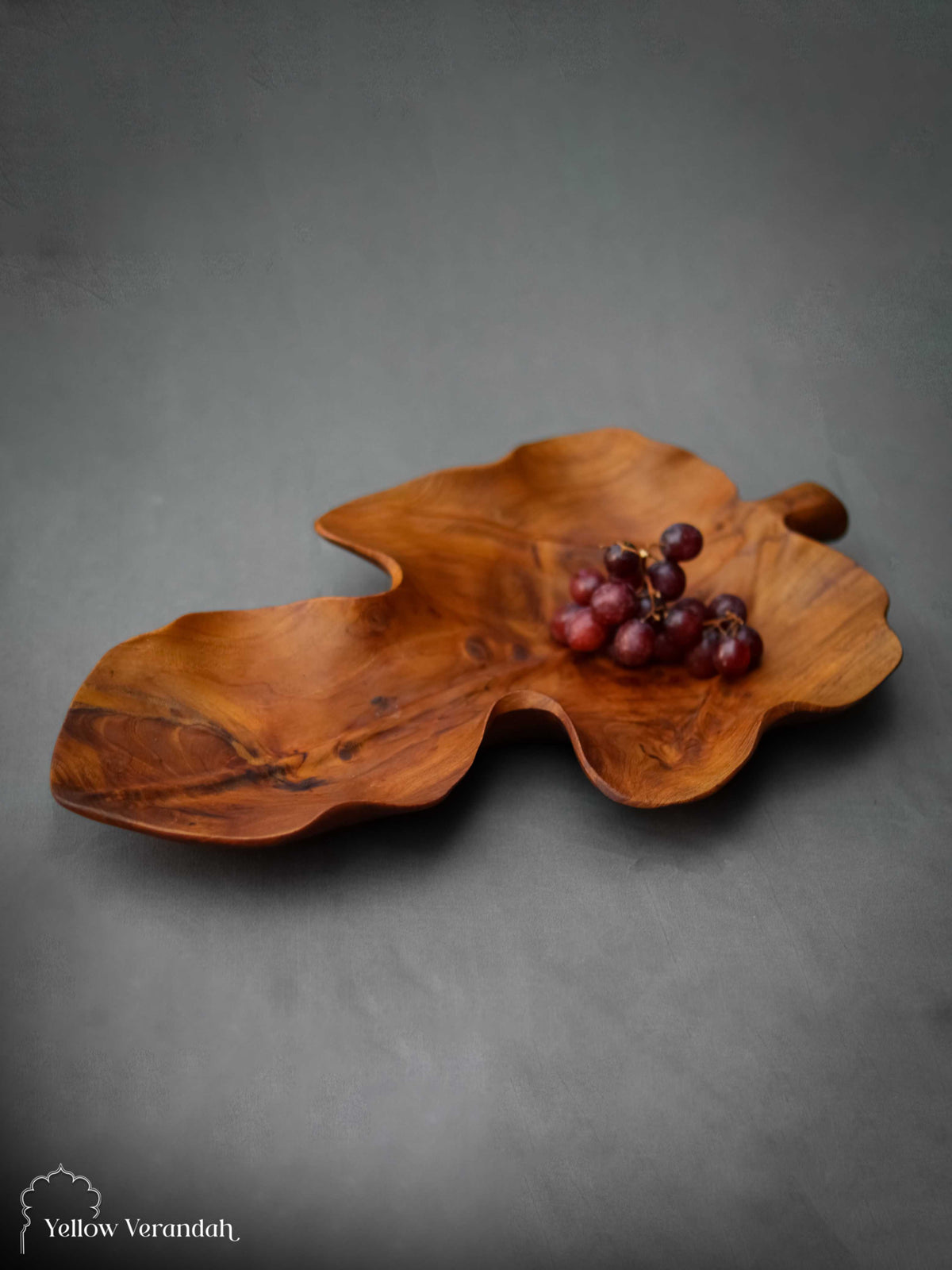
Natural wood doesn't have to be limited to bowls.
A Teak Wood Leaf Shape Serving Platter can turn serving into part of the tablescape.
The organic leaf shape works particularly well with natural linen, ceramic plates and neutral table settings. It can also be used when entertaining, making it a decorative piece that has a clear functional purpose.
Best for: entertaining, festive dining and everyday serving.
10. Add Wooden Serving Spoons
Small choices can also contribute to a more natural kitchen and dining setup.
Teak wood serving spoons introduce the warmth of natural wood while coordinating easily with wooden bowls and platters.
Instead of trying to replace everything in your kitchen at once, gradually switching individual items to natural-material alternatives can create a more cohesive and considered table setting.
Best for: everyday dining and wooden tableware collections.
11. Use Natural Fibre Decorative Vases
Natural fibres can also work beautifully as larger decorative elements.
A Water Hyacinth Fiber Decorative Vase can introduce woven texture to a living room, bedroom or entryway. Its organic appearance works particularly well alongside indoor plants, wooden furniture and neutral textiles.
Large natural-fibre pieces are useful when you want to make a noticeable change without introducing strong colours.
Best for: Living-room corners, consoles and entryways.
12. Bring the Sea Indoors With Natural Shell Decor
If you love coastal or organic interiors, natural shell-inspired decor can add a subtle connection to nature.
A Wooden Sea Shell Decor on Stand can work as a tabletop accent in a living room, bedroom or study. It combines the visual character of shell forms with a crafted decorative presentation.
Pair it with driftwood, cane, woven baskets and neutral ceramics for a relaxed coastal-inspired arrangement.
Best for: Coffee tables, shelves and coastal interiors.
13. Choose Brass for Long-Term Character
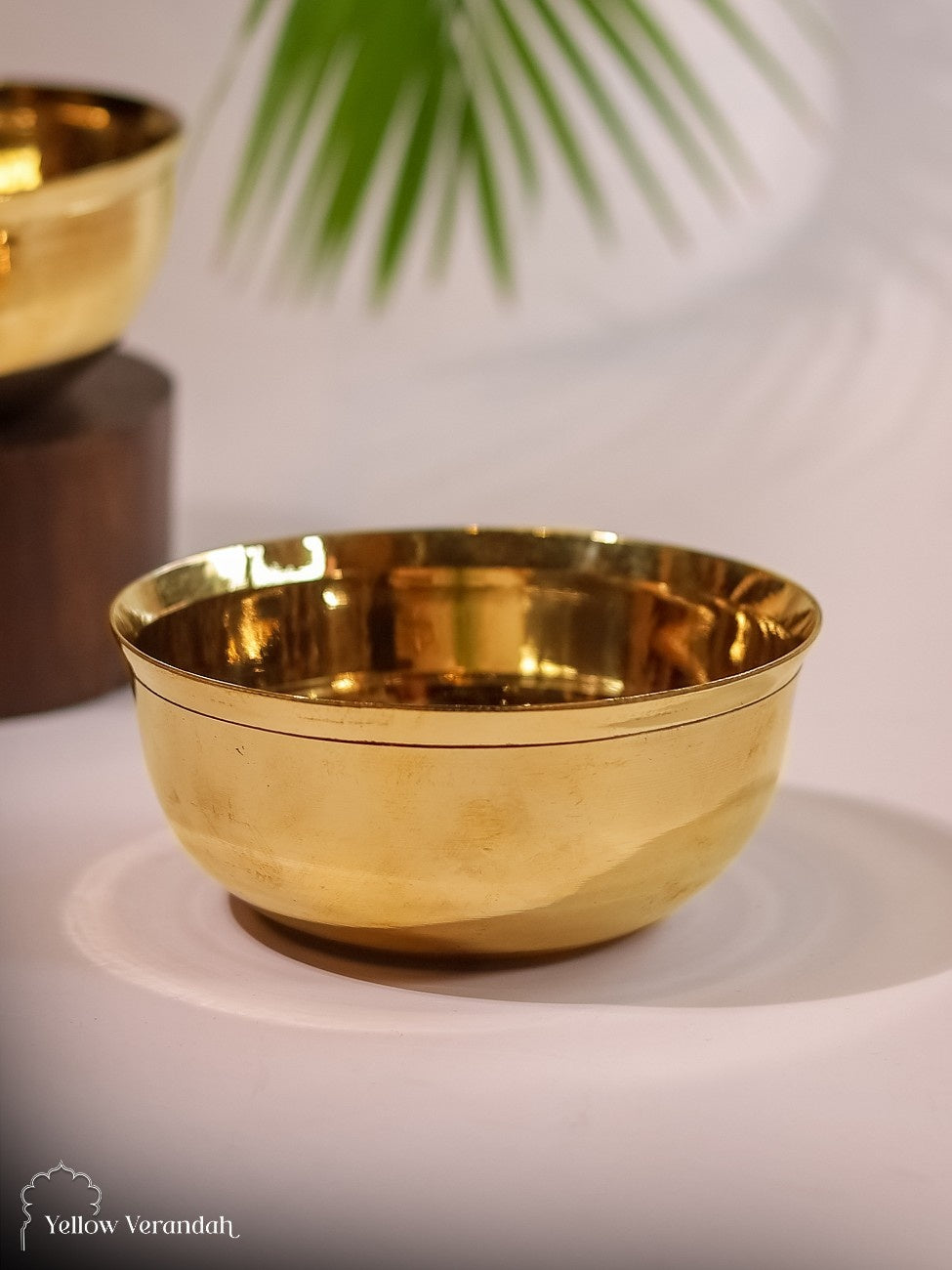
Sustainable decor isn't limited to materials traditionally described as eco-friendly.
Brass can be a useful choice when you're looking for durable, timeless pieces that can remain part of your home for a long time.
A Pure Brass Serving Bowl can bring warmth and traditional character to a contemporary table setting.
Brass also develops character over time, making it particularly suitable for homes that embrace an aged, collected or heritage-inspired aesthetic.
Best for: Indian dining spaces, festive tables and timeless interiors.
14. Consider Traditional Metal Tableware
Materials such as brass and kansa have long-standing associations with Indian dining traditions.
A Pure Kansa Thali Plate can introduce a traditional material into a contemporary dining setup while creating a stronger connection with Indian craft and tableware traditions.
Pair traditional metalware with modern ceramics, linen textiles and wooden serving pieces for an updated tablescape.
Best for: Indian dining, festive occasions and heritage-inspired homes.
15. Use Natural Materials as Decor, Not Just Function
One of the biggest advantages of sustainable home decor is that many pieces can perform more than one role.
A wooden bowl can be functional tableware.
A woven basket can provide storage and decoration.
A pendant light can illuminate a room while becoming a focal point.
A driftwood sculpture can act as artwork.
A natural fibre vase can add texture even without flowers.
This multifunctional approach helps prevent unnecessary accumulation of decorative objects.
How to Create a More Conscious Home
Buying sustainable decor is only one part of creating a conscious home. The way you buy, use and maintain your pieces matters too.
1. Buy Fewer, Better Pieces
Instead of buying several inexpensive accessories every season, invest in a few pieces that you genuinely love.
A handcrafted wooden bowl or woven pendant can remain relevant even when you change your furniture or wall colours.
2. Look for Natural Materials
When possible, consider materials such as:
- Teak wood
- Cane
- Bamboo
- Jute
- Banana fibre
- Sea grass
- Coconut shell
- Water hyacinth
- Brass
- Copper
- Stone
These materials can bring tactile variation into a home while reducing dependence on synthetic-looking decor.
3. Choose Handmade Over Mass-Produced When It Makes Sense
Handmade pieces often have small variations in texture, shape and finish. Rather than seeing these as flaws, consider them part of the character of the product.
A home filled with such pieces tends to feel more collected and personal.
4. Prioritise Function
Before buying a decorative object, ask:
Can I use this piece as well as enjoy looking at it?
Serving bowls, lamps, baskets, planters and trays can all combine functionality with aesthetics.
5. Maintain What You Already Own
A conscious home isn't necessarily one filled with new sustainable products.
Taking care of the furniture, tableware and decor you already own can be just as important.
Clean natural materials appropriately, repair pieces where possible and avoid replacing something simply because a new trend has appeared.
Sustainable Decor Ideas for every Room
Living Room
Introduce:
- Cane pendant lights
- Wooden sculptures
- Driftwood decor
- Natural fibre vases
- Woven baskets
- Wooden side tables
Keep the palette neutral and allow natural textures to create visual interest.
Dining Room
Try:
- Teak wood serving bowls
- Wooden platters
- Coconut bowls
- Water hyacinth placemats
- Brass tableware
- Natural fibre lighting
This combination creates a warm and inviting dining environment.
Bedroom
Use:
- Cane pendant lights
- Woven table lamps
- Natural fibre accessories
- Wooden accents
- Linen textiles
Keep the lighting soft and the decor restrained.
Entryway
A conscious entryway can combine:
- A natural-material console
- Woven lighting
- A wooden decorative piece
- A basket for storage
- A small plant
This creates a welcoming first impression without relying on excessive decoration.
How to Mix Sustainable Decor With Modern Furniture
You don't need to create a completely rustic home to use natural decor.
In fact, natural materials can look especially striking against contemporary furniture.
Try combinations such as:
Modern sofa + cane pendant + teak table
Minimal dining table + wooden serving pieces + woven placemats
Contemporary console + driftwood sculpture + natural fibre vase
Neutral bedroom + jute pendant + wooden accents
The contrast between clean modern forms and organic textures creates a sophisticated look.
What Makes Sustainable Decor Look expensive?
Sustainable decor doesn't need to look rustic or basic.
The secret is editing.
Choose fewer pieces with interesting materials and strong forms. Leave enough negative space around them so that each object can be appreciated.
For example, instead of filling a console with ten small accessories, consider one substantial driftwood sculpture, one natural-fibre vase and a small stack of books.
The result feels more intentional and elevated.
Common Mistakes to Avoid When Buying Sustainable Decor
Buying Something Only Because It Says "eco-Friendly"
Look beyond the label. Consider the material, craftsmanship, functionality, durability and whether you will actually use the item.
Overdecorating With Natural Materials
A room doesn't need cane, jute, bamboo, wood and rattan everywhere.
Choose a few materials and repeat them thoughtfully.
Following Trends Too Closely
A conscious home should ideally be less dependent on rapidly changing trends.
Choose pieces you can imagine keeping for years.
Ignoring Maintenance
Natural materials may require specific care. Understanding how to clean and maintain them can significantly extend their life.
Buying More Than You Need
The most sustainable purchase can sometimes be the one you decide not to make.
FAQs About Sustainable Home Decor in India
What is sustainable home decor?
Sustainable home decor generally refers to products made with more environmentally conscious materials, responsible production approaches, durability and/or artisan craftsmanship. The exact sustainability of a product depends on its material, sourcing, production and lifespan.
Which materials are good for sustainable home decor?
Natural materials commonly used in conscious interiors include wood, bamboo, cane, jute, banana fibre, sea grass, coconut shell, water hyacinth, stone and certain metals.
Is wooden decor sustainable?
Wood can be a more conscious decor choice when it is responsibly sourced, durable and designed to last. The sourcing and production process are important factors, so it is useful to look beyond the material name alone.
Is cane good for home decor?
Yes. Cane is lightweight, naturally textured and versatile. It works particularly well for lighting, furniture, baskets and decorative pieces.
How can I make my Indian home more sustainable?
Start small. Choose durable products, favour natural materials where practical, support craftsmanship, reuse what you already own and avoid buying decor simply because it is trending.
Can sustainable decor look luxurious?
Absolutely. Natural materials such as teak, brass, cane and stone can look extremely refined when combined with good proportions, craftsmanship and thoughtful styling.
Is handmade decor more sustainable?
Handmade products can support slower production and artisan craftsmanship, but handmade alone does not automatically make a product sustainable. Materials, sourcing, production methods and longevity also matter.
How can I decorate sustainably on a budget?
Start with smaller functional pieces such as wooden serving spoons, natural-fibre placemats, coconut bowls or simple wooden decor. You don't need to redesign your entire home at once.
Can I mix sustainable decor with contemporary interiors?
Yes. Natural materials often provide an excellent contrast to modern furniture. Pair clean contemporary silhouettes with textured materials such as cane, teak, jute and woven fibres.
What is the most important rule for conscious home decor?
Buy intentionally. Choose pieces that you genuinely like, will use and can imagine keeping for a long time.
Final Thoughts
A more conscious home doesn't have to look completely different from a modern home. It can still be stylish, luxurious and contemporary while making more thoughtful choices about materials, craftsmanship and consumption.
Start with small changes: a teak serving bowl, a woven placemat, a coconut bowl, a cane pendant or a handcrafted wooden accent. Over time, these individual choices can create a home that feels warmer, more personal and less dependent on disposable trends.
The goal isn't perfection. It's about creating a home where every piece has a reason to be there—whether because it is useful, beautifully crafted, made from a natural material, supports artisan work, or simply brings lasting joy.
A conscious home is ultimately not about having more decor. It's about choosing better, using what you own well and creating a space that can evolve with you.
