How to Choose Lighting for a Warm, Earthy & Contemporary Home

Lighting is one of the most important elements in creating a home that feels warm, comfortable and visually refined. The right light can soften modern furniture, highlight natural materials and make neutral interiors feel inviting rather than flat.
For a warm, earthy and contemporary home, lighting should do more than simply brighten a room. Think natural textures, warm illumination, sculptural silhouettes and layered sources of light. Cane, jute, banana fibre, brass, wood and fabric shades can all bring depth and character while keeping the overall look modern.
The key is balance: contemporary shapes keep the space polished, while organic materials make it feel relaxed and lived-in.
Here is how to choose the right lighting for an earthy contemporary interior.
1. Start With the Mood You Want to Create
Before choosing a light fixture, think about how you want the room to feel.
A warm and earthy home usually benefits from lighting that feels:
- Soft rather than harsh
- Warm rather than cool
- Textured rather than overly glossy
- Natural rather than industrial
- Sculptural without being overwhelming
Instead of relying on one bright ceiling light, combine different sources throughout the room. This creates depth and allows you to change the atmosphere depending on the time of day.
For example, a pendant can provide the main visual statement, while a table lamp or floor lamp adds softer light at a lower level.
2. Choose Warm Lighting for a Cosy Atmosphere
The colour of the light can dramatically change the appearance of a room.
For living rooms, bedrooms and relaxed dining spaces, warm-toned lighting generally creates a more comfortable atmosphere than very cool white illumination.
Warm light works particularly well with:
- Beige and cream walls
- Natural wood
- Terracotta
- Cane and rattan
- Jute
- Brass
- Linen and cotton textiles
- Earthy greens and browns
The result is a room that feels softer in the evening while still looking contemporary.
3. Use Natural Materials to Bring an Earthy Feel
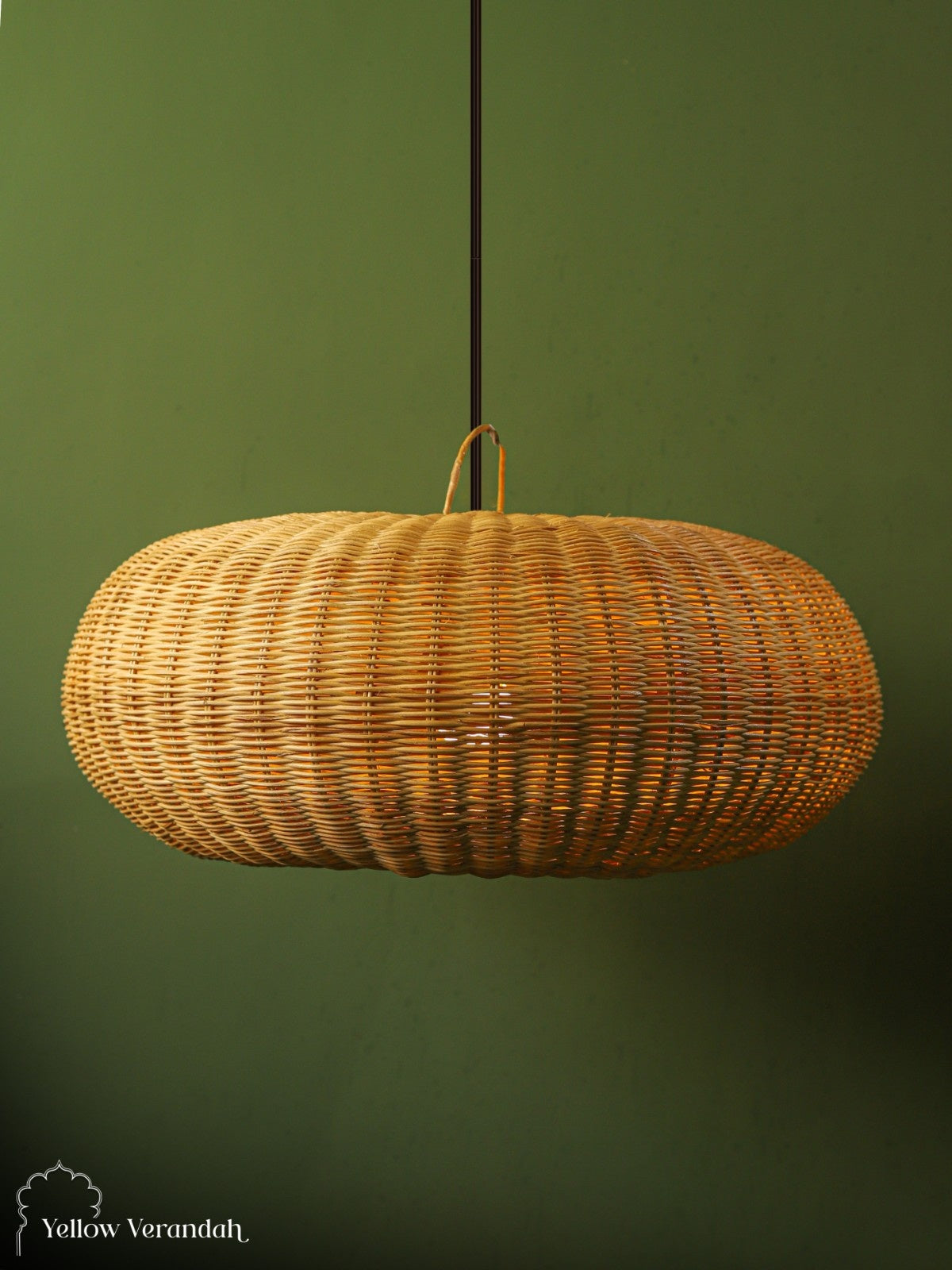
If your goal is an earthy interior, the material of your lighting matters almost as much as the light itself.
Woven materials such as cane, banana fibre and jute introduce texture and allow light to filter through the surface. This can create subtle patterns of light and shadow, adding another layer to the room.
A great example is the Natural Cane Boho Hanging Pendant Light. Its woven Indonesian cane construction allows illumination to pass through the gaps in the weave, making the fixture both a lighting source and a decorative feature.
Natural materials also pair beautifully with contemporary furniture because they soften clean lines without making the room look overly rustic.
4. Choose Pendant Lights for a Contemporary Focal Point
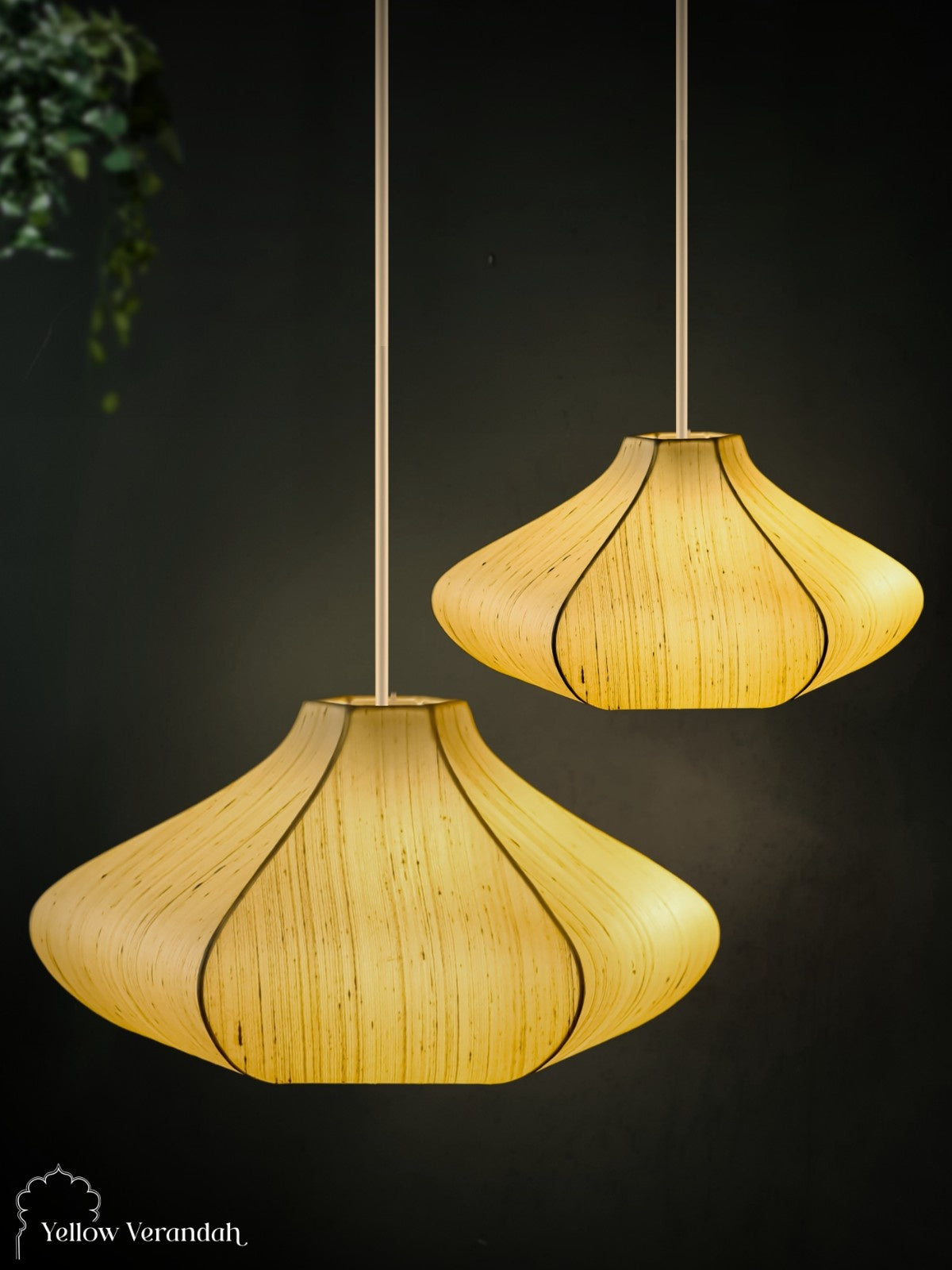
Pendant lighting is particularly effective when you want your ceiling to become part of the décor.
A pendant can visually anchor:
- Dining tables
- Kitchen islands
- Living room seating areas
- Entryways
- Reading corners
- Bedroom spaces
For a sophisticated contemporary look, choose a pendant with an interesting silhouette rather than one that is overly decorative.
The Bloom Pendant Lights - Set of 2 are a good example of how a sculptural form can soften a contemporary setting. Their blossom-inspired shapes and textured shades create a warm, diffused look that works especially well above dining areas or beside a bed.
5. Add Woven Lighting for Texture
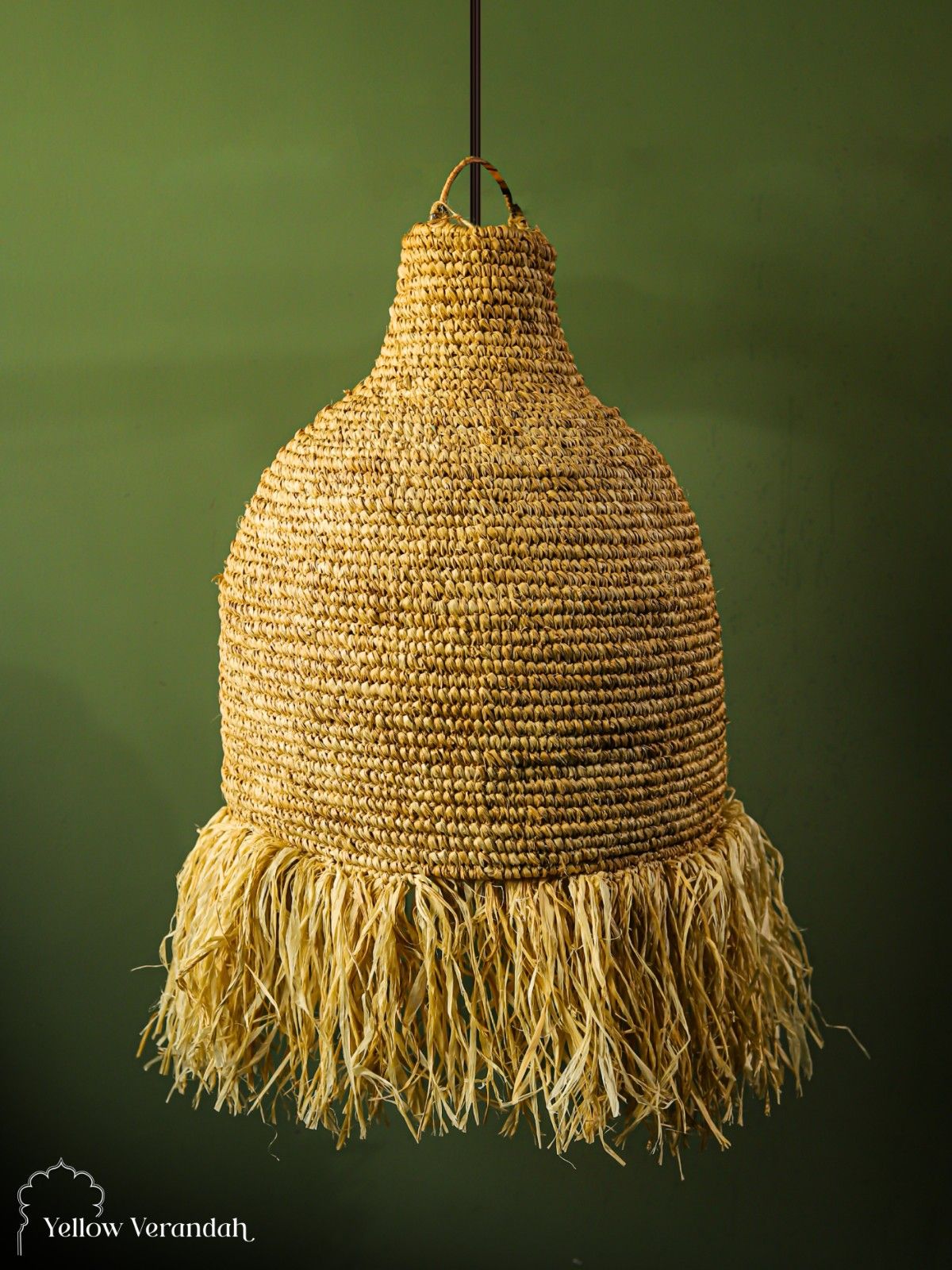
One of the easiest ways to introduce an earthy quality into a modern room is through woven lighting.
Woven fixtures bring visual texture without adding strong colour. This makes them particularly useful in neutral interiors.
The Banana Weave Pendant Hanging Light combines banana fibre and sea grass in a woven form. Its organic appearance works naturally with wood, linen, cane furniture and other tactile materials.
Try using a woven pendant over a dining table or in a living room where the rest of the décor is relatively minimal.
6. Use Jute Lighting for an Organic Contemporary Look
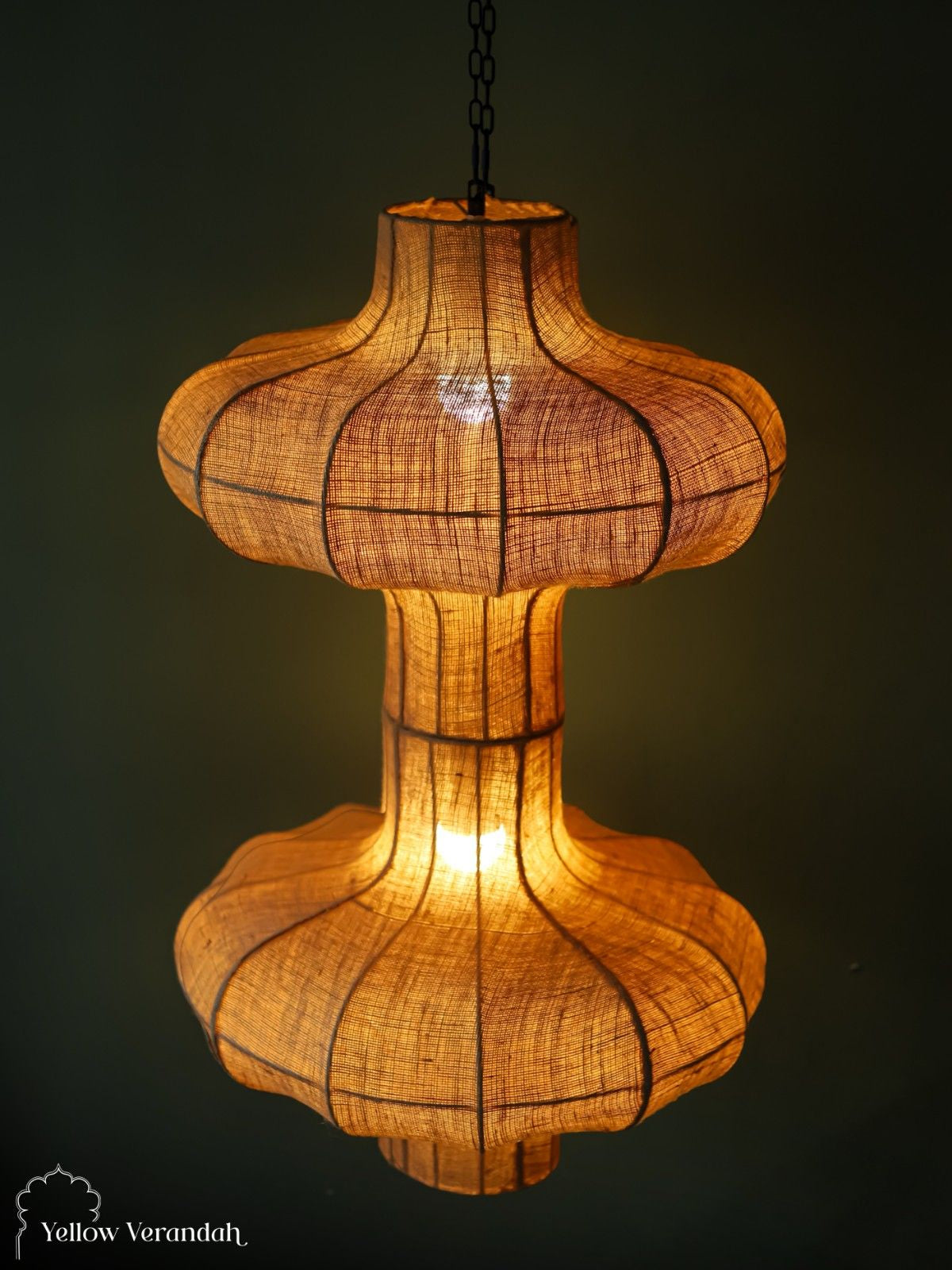
Jute is another material that works beautifully between rustic and contemporary design.
The trick is to choose a clean silhouette. An overly traditional jute fixture can make a room feel themed, whereas a sculptural shape can look distinctly modern.
The Sculptural Hourglass Jute Pendant Light is designed around an hourglass-inspired form, combining a structured silhouette with the natural texture of jute.
This type of lighting is particularly effective when you want one fixture to act as both illumination and an artful focal point.
7. Don't Forget Floor Lamps
Ceiling lights alone can leave a room feeling visually flat. Floor lamps introduce light at a different height and help create a more layered environment.
They are especially useful in:
- Empty living-room corners
- Reading areas
- Beside sofas
- Lounge spaces
- Bedrooms
- Entryways
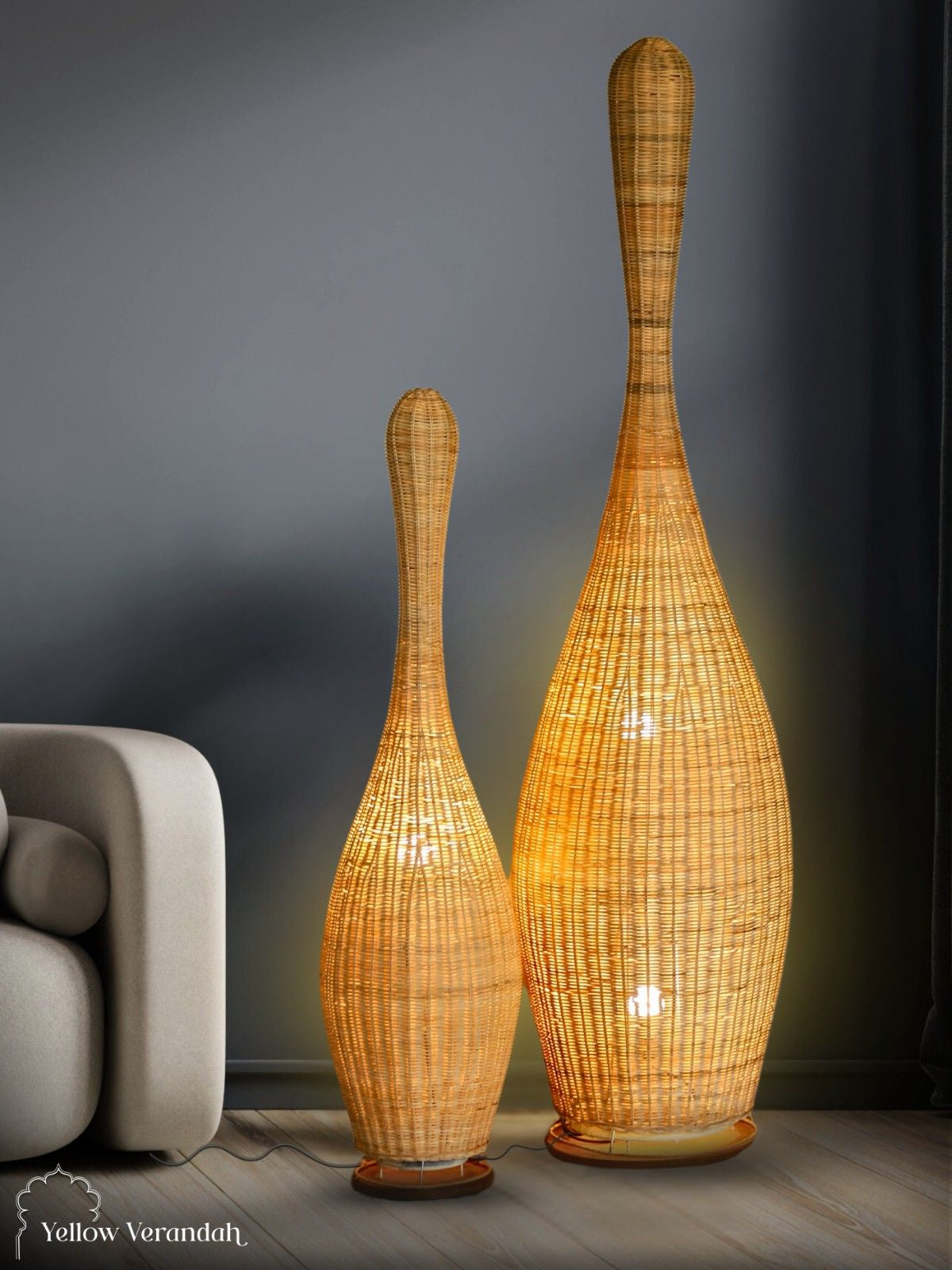
For a natural contemporary aesthetic, consider Indonesian Cane Tenpin Floor Lamps.
Their elongated forms add height while the woven cane introduces an organic texture. A tall floor lamp can also help balance low-profile sofas and contemporary furniture.
8. Use Table Lamps to Create Smaller Pools of Light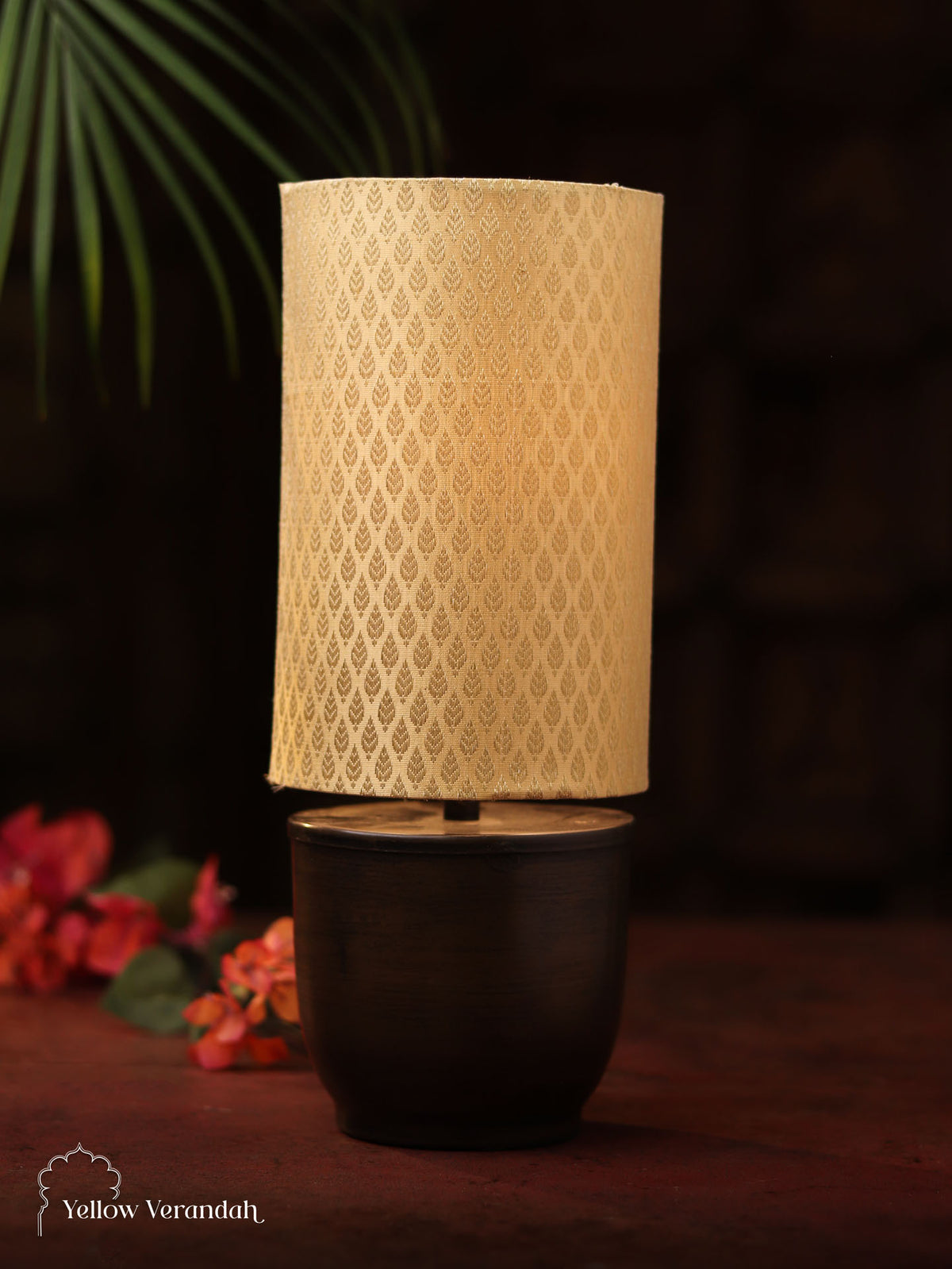
Table lamps are perfect when you want to make a room feel intimate.
Instead of illuminating an entire room uniformly, a table lamp creates a smaller pool of light around a particular area.
Place one on:
- A console
- Bedside table
- Side table
- Desk
- Reading nook
- Chest of drawers
For a more heritage-inspired interpretation of contemporary lighting, the Vintage Brass Table Lamp combines an aged brass base with a fabric shade.
The warm metallic character works particularly well with dark wood, neutral upholstery and traditional Indian accents.
9. Combine Contemporary Shapes With Traditional Materials
One of the best ways to create an earthy contemporary home is to mix old and new.
Instead of choosing completely modern lighting throughout the house, introduce traditional materials through contemporary silhouettes.
For example:
Modern furniture + cane lighting + brass accents
or
Minimal interiors + sculptural pendant + vintage-inspired table lamp
This prevents the room from feeling too predictable.
The idea is not to make everything match. Instead, create a connection between materials and shapes.
10. Create Layers Instead of Using One Light Source
A well-designed lighting plan usually combines several types of illumination.
Ambient Lighting
This provides general illumination throughout the room.
Examples include:
- Ceiling lights
- Pendant lights
- Larger hanging fixtures
Task Lighting
This is designed around a specific activity.
Examples include:
- Reading lamps
- Desk lamps
- Bedside lamps
- Kitchen lighting
Accent Lighting
Accent lighting draws attention to a particular object, wall or architectural feature.
Examples include:
- Wall lights
- Picture lights
- Decorative lamps
- Spotlights
Decorative Lighting
Some fixtures are chosen as much for their appearance as for their illumination.
Sculptural pendants, woven lamps and statement floor lamps can all fall into this category.
Combining these layers creates a more sophisticated and flexible room.
11. Match Lighting to the Size of the Room
Scale is one of the most important considerations when choosing a light fixture.
A large pendant can look impressive in a spacious dining room but overwhelming in a compact apartment.
Similarly, a tiny pendant can disappear above a large dining table.
Before purchasing a fixture, consider:
- Ceiling height
- Room size
- Furniture dimensions
- Table size
- Available walking space
- Visual weight of the fixture
Large rooms can handle oversized sculptural lighting, while smaller rooms often benefit from lighter, more open designs.
12. Use Cane for a Softer Contemporary Look
Cane is particularly versatile because it sits comfortably between natural and modern design.
It can work with:
- Contemporary furniture
- Bohemian interiors
- Japandi-inspired rooms
- Coastal spaces
- Rustic homes
- Modern Indian interiors
The open weave prevents cane lighting from looking visually heavy. At the same time, the texture gives the room warmth.
For a particularly organic arrangement, combine cane lighting with wooden furniture, neutral fabrics and a few green plants.
13. Add Brass When You Need a Touch of Warmth
If your room contains a lot of beige, cream and wood, brass can provide a subtle metallic contrast.
Brass is especially effective in earthy interiors because its warm undertones complement natural materials.
Use brass through:
- Table lamps
- Wall lights
- Small accent lamps
- Decorative lighting
- Hardware and accessories
The goal is restraint. One or two brass elements can be enough to make a neutral room feel richer.
14. Don't Ignore Wall Lighting
Walls are often overlooked when planning lighting.
A wall light can highlight artwork, architectural details or an otherwise empty section of the room.
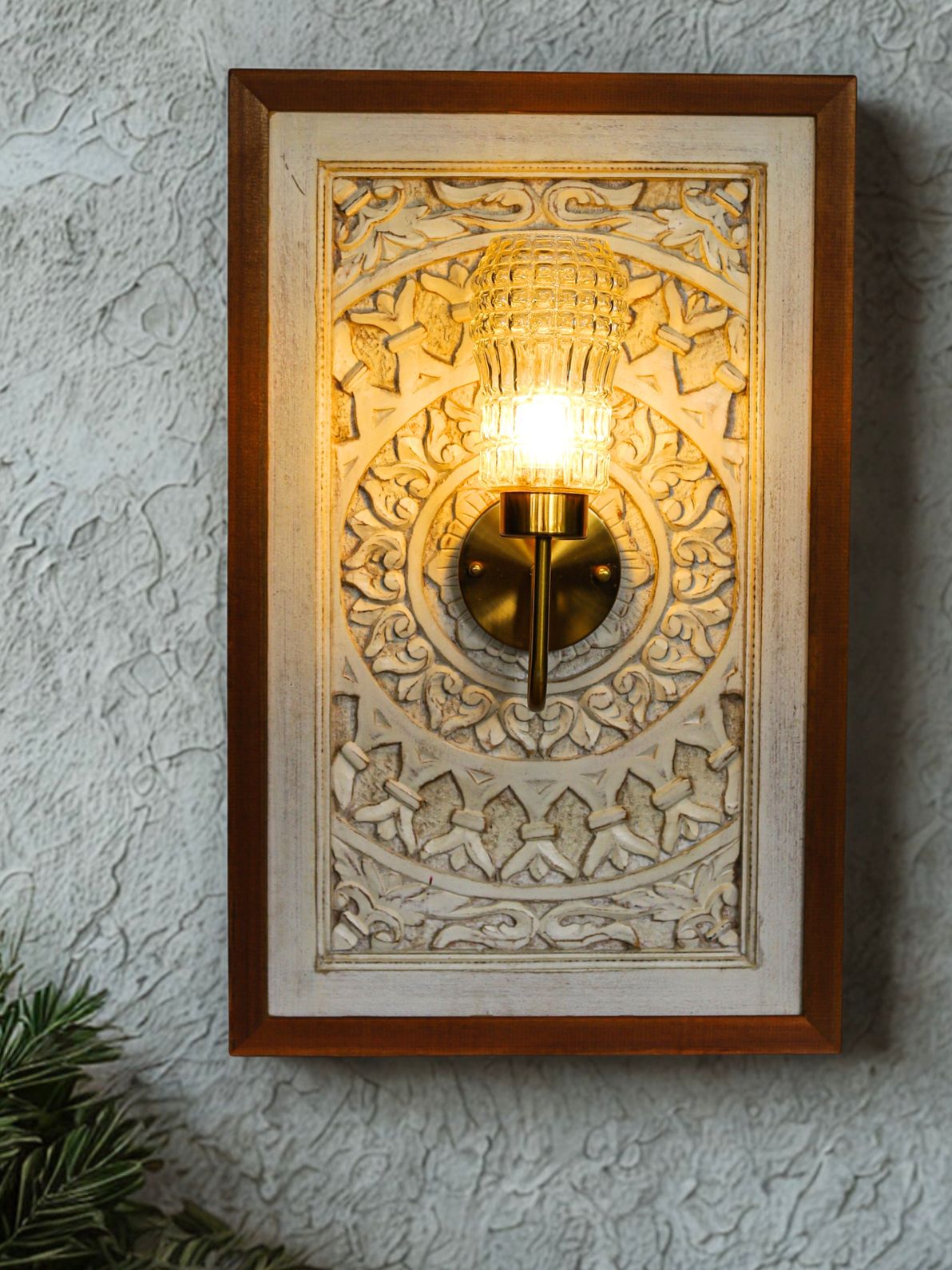
The Wall Accent Light on Window Frame is an interesting option when you want lighting to become part of the architectural composition.
Wall lighting is particularly useful in hallways, living rooms and feature walls where you want atmosphere without relying on another large ceiling fixture.
15. Think About Light and Shadow
Warm interiors aren't created only by brightness. They are also created by shadow.
Woven lighting is particularly effective because its texture can create subtle patterns on nearby walls and surfaces.
This is one reason natural cane, jute and fibre fixtures work so well in earthy interiors. The material becomes part of the lighting experience.
Instead of aiming for uniform brightness everywhere, allow certain corners to remain slightly softer and darker.
That contrast creates depth.
How to Style Lighting in Different Rooms
Living Room
Use a combination of:
- One statement pendant or ceiling fixture
- A floor lamp beside the sofa
- A table lamp on a console or side table
- Accent lighting for artwork
Keep the main lighting visually interesting but allow the lower-level lights to create a relaxed evening atmosphere.
Dining Room
A pendant above the dining table is usually the strongest focal point.
Choose a fixture that complements the shape of the table. A long table can benefit from multiple pendants or a larger sculptural fixture, while a round table often works well with a central pendant.
Bedroom
Bedrooms benefit from softer and more intimate lighting.
Use bedside lamps, subtle wall lights or small pendants rather than relying entirely on bright overhead lighting.
Entryway
The entrance is an opportunity to establish the mood of the entire home.
A sculptural pendant or warm accent light can make a relatively small space feel considered and welcoming.
How to Mix Lighting Materials Without Making the Room Look Busy
You don't need every light in your home to use the same material.
Instead, create a common visual thread.
For example:
Cane pendant + wooden floor lamp + brass table lamp
The materials are different, but they all have warm undertones.
Another combination could be:
Jute pendant + teak furniture + linen upholstery
This creates a cohesive earthy palette without making everything look identical.
Common Lighting Mistakes to Avoid
Using Only One Ceiling Light
A single overhead fixture can make a room feel flat and overly bright in some areas while leaving others dark.
Choosing Fixtures That Are Too Small
A tiny light can get lost above a large dining table or in a spacious living room.
Mixing Too Many Statement Fixtures
If every light is dramatic, nothing becomes the focal point.
Choose one or two major statement pieces and keep the rest understated.
Ignoring the Existing Décor
Your lighting should work with your furniture, flooring, wall colour and accessories.
A highly industrial fixture may feel disconnected in a room filled with natural materials.
Using Only Cool White Light
Cool lighting can make warm materials such as wood, cane and brass appear less inviting.
For relaxing areas, warmer illumination generally works better.
A Simple Lighting Formula for a Warm, Earthy Home
If you're unsure where to begin, try this combination:
1 statement pendant + 1 floor lamp + 1 table lamp + accent lighting
For example:
- A Sculptural Hourglass Jute Pendant Light as the main feature
- Indonesian Cane Tenpin Floor Lamps for height and ambient lighting
- A Vintage Brass Table Lamp for a warm metallic accent
- A wall or architectural light for subtle highlights
This combination creates multiple levels of illumination while keeping the material palette warm and natural.
FAQs About Choosing Lighting for a Warm & Earthy Home
What type of lighting is best for an earthy interior?
Lighting made from natural materials such as cane, jute, banana fibre and wood works particularly well. Warm illumination and organic textures help reinforce the earthy aesthetic.
Is cane lighting suitable for contemporary homes?
Yes. Cane can look very contemporary when paired with clean-lined furniture and modern silhouettes. It adds warmth without making the space look overly traditional.
What colour light is best for a cosy home?
Warm-toned light is generally a good choice for living rooms, bedrooms and dining spaces where you want a relaxed atmosphere.
How do I layer lighting in a living room?
Combine overhead or pendant lighting with floor lamps, table lamps and accent lighting. Using different heights creates more depth and flexibility.
Should all the lights in a home match?
Not necessarily. Different fixtures can be used throughout the home as long as they share a common visual language through material, colour, shape or finish.
How do I choose the right pendant light size?
Consider the size of the room, ceiling height and furniture below it. A larger room or dining table can usually accommodate a more substantial fixture.
Are woven lights good for modern interiors?
Yes. Woven lighting adds texture and warmth to minimalist and contemporary interiors, particularly when the rest of the décor has clean lines.
Can brass and cane lighting be used together?
Absolutely. Cane provides natural texture while brass adds warmth and subtle contrast. Together, they create a balanced earthy-luxury aesthetic.
Where should I place a floor lamp?
Floor lamps work well beside sofas, reading chairs, consoles and in empty corners. They are especially useful for introducing light at a lower level.
How can lighting make a neutral room feel warmer?
Use warm-toned illumination and fixtures made from tactile materials such as wood, cane, jute, brass and natural fibres. These elements add texture and visual warmth to neutral spaces.
Final Thoughts
Choosing lighting for a warm, earthy and contemporary home is ultimately about creating balance between light, material and form.
Natural materials such as cane, jute and banana fibre bring texture. Brass adds warmth and character. Sculptural contemporary silhouettes keep the look refined, while floor and table lamps create softer layers of illumination.
Instead of treating lighting as an afterthought, consider each fixture as part of your interior design. A beautifully chosen pendant can become the focal point of a dining room, a woven floor lamp can transform an empty living-room corner, and a warm table lamp can make a reading nook feel instantly more inviting.
The best lighting scheme isn't necessarily the brightest one. It is the one that makes your home feel comfortable, layered, natural and beautifully lived-in.
