Brass vs Wood Décor: Which Material Works Best for Your Home?

When choosing décor for your home, the material you choose can completely change the mood of a room. Brass brings warmth, shine and a sense of heritage, while wood adds texture, depth and an organic character.
So, which one is better?
The answer depends on the look you want to create, the room you are decorating and how you want your décor to interact with the rest of your interiors. In many homes, the most beautiful approach isn't choosing between brass and wood—it is knowing how to balance both.
From statement wall décor and furniture to table accents and serveware, these two materials can work beautifully across different spaces.
Brass vs Wood Décor: Understanding the Difference
Brass and wood create very different visual experiences.
Brass has a naturally reflective quality. It catches light, adds warmth and can instantly make a space feel more polished. Antique or vintage brass can also introduce history and character, making it especially suitable for Indian, traditional, eclectic and heritage-inspired interiors.
Wood, on the other hand, feels softer and more grounded. Its natural grain adds texture without creating too much visual shine. Wooden furniture, sculptures and accessories work particularly well when you want your home to feel relaxed, organic and timeless.
The choice ultimately comes down to the atmosphere you want.
When Brass Décor Works Best
Brass is an excellent choice when you want to introduce warmth, elegance and visual contrast.
It works particularly well in spaces that already feature neutral colours, because the golden tones of brass can act as a focal point without requiring bright colours.
Brass for Living Rooms
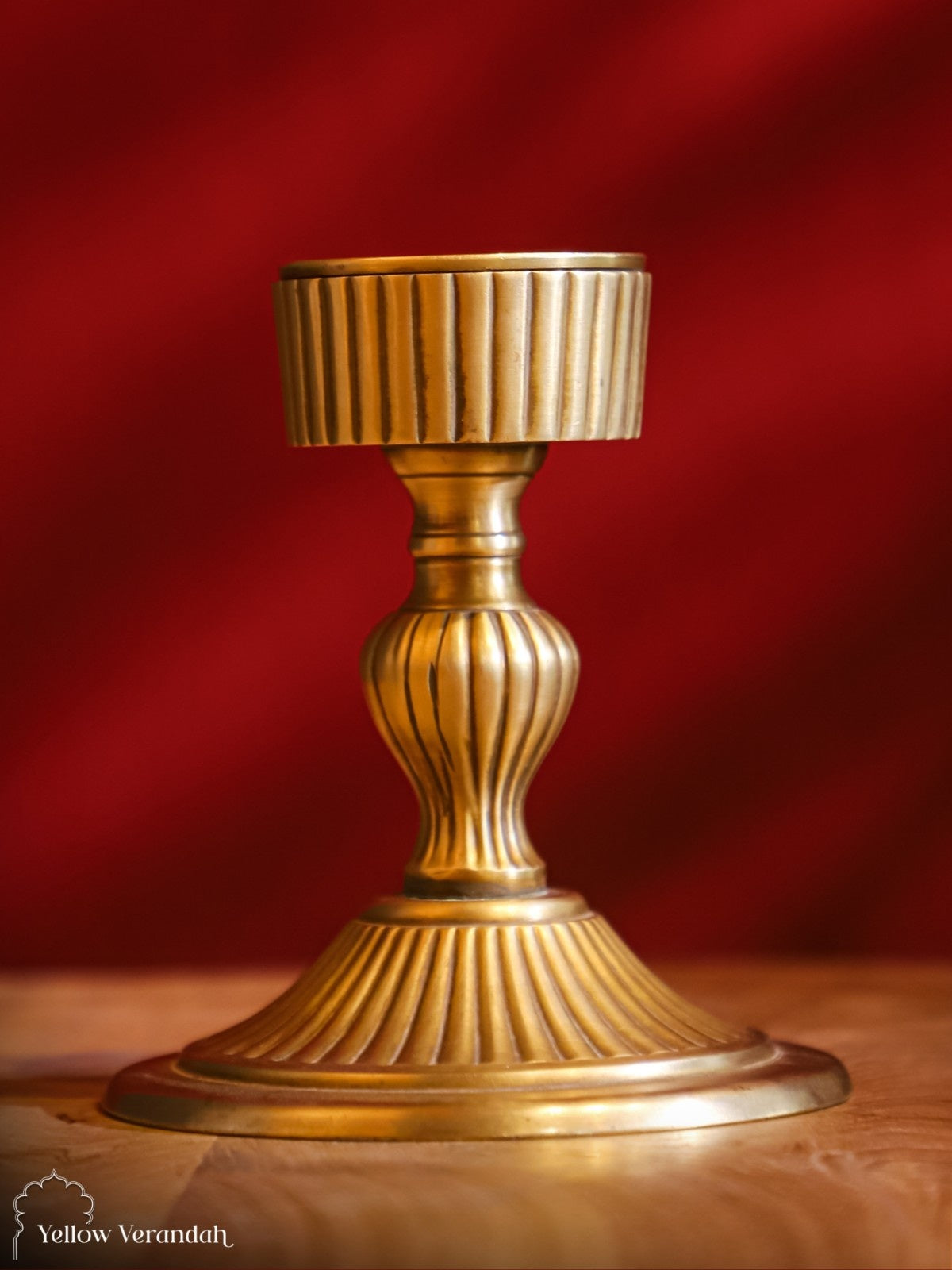
A brass accent can add sophistication to a coffee table, console or bookshelf. You don't necessarily need a large piece. A single candle stand, decorative plate or sculpture can be enough to introduce the material.
For example, a Vintage Brass Candle Stand can add height and an antique character to a console or coffee table. Vintage brass pieces are particularly effective when paired with contemporary furniture because the contrast keeps the room from feeling too uniform.
Brass for Dining Spaces

Brass works beautifully in dining rooms because it has a naturally warm, celebratory quality.
A vintage brass plate can be displayed as a decorative object, used as a serving accent or incorporated into a traditional tablescape. The Vintage Brass Plate - 9" is described as suitable for display on a console or wall as well as for serving.
Its aged appearance can work especially well with wooden furniture, neutral ceramics and natural fabrics.
Brass for Traditional and Heritage Interiors
If your home features Indian craftsmanship, carved furniture, traditional textiles or vintage accents, brass can reinforce that aesthetic.
The material naturally complements spaces inspired by Indian heritage, palace interiors and traditional décor.
When Wood Décor Works Best
Wood is ideal when you want your interiors to feel warm, natural and tactile.
Unlike polished metals, wood does not reflect much light. Instead, it adds visual depth through its grain, colour and texture.
Wood for a Relaxed Living Room
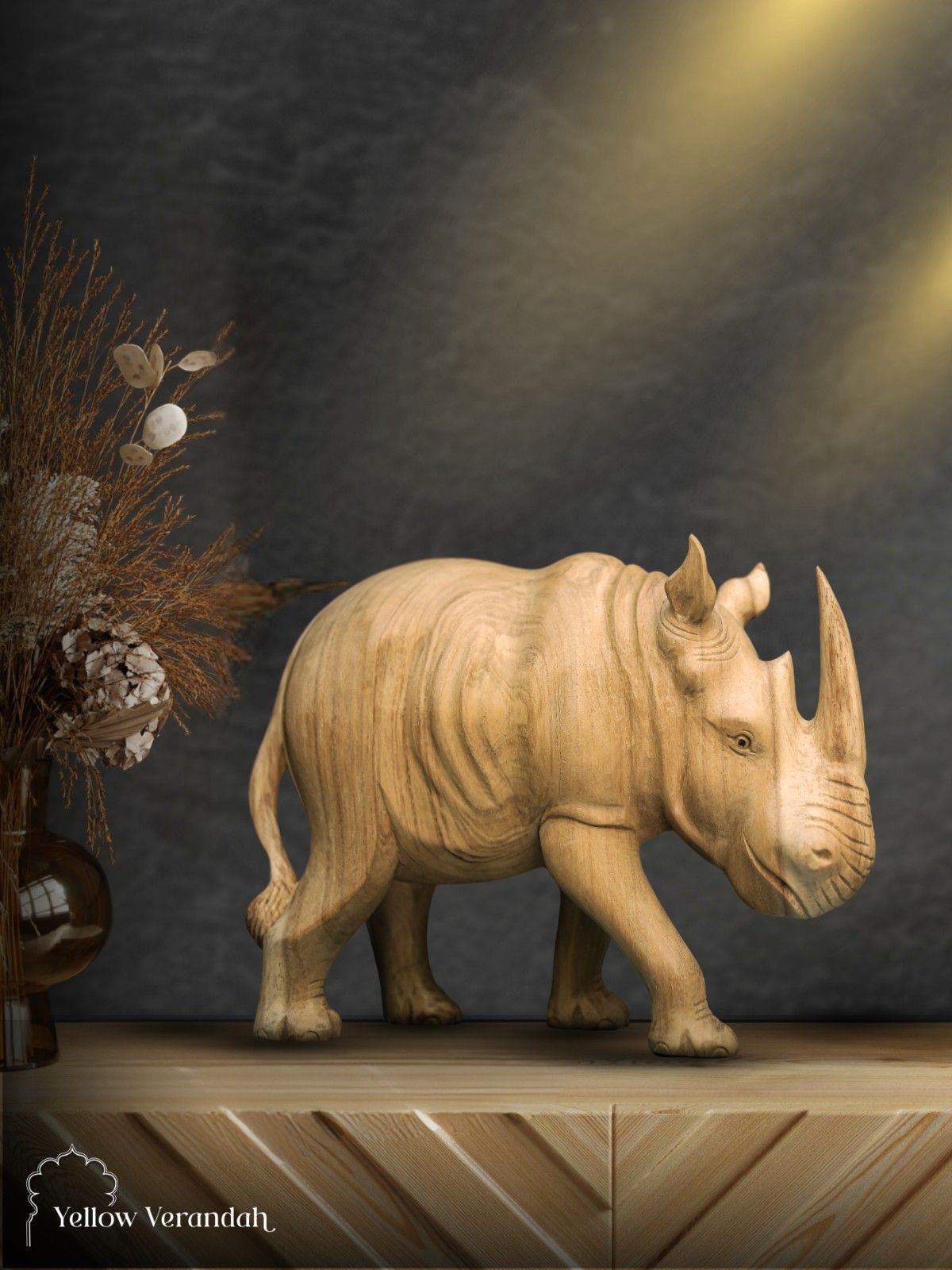
A wooden sculpture can introduce personality without making the space feel overly formal.
The Wooden Rhino Decor Sculpture, for example, is crafted from teak wood with a natural, unpolished finish. Its sculptural form makes it suitable for a coffee table, bookshelf or console.
A piece like this works particularly well in contemporary, rustic, eclectic and nature-inspired interiors.
Wood for Dining and Table Décor
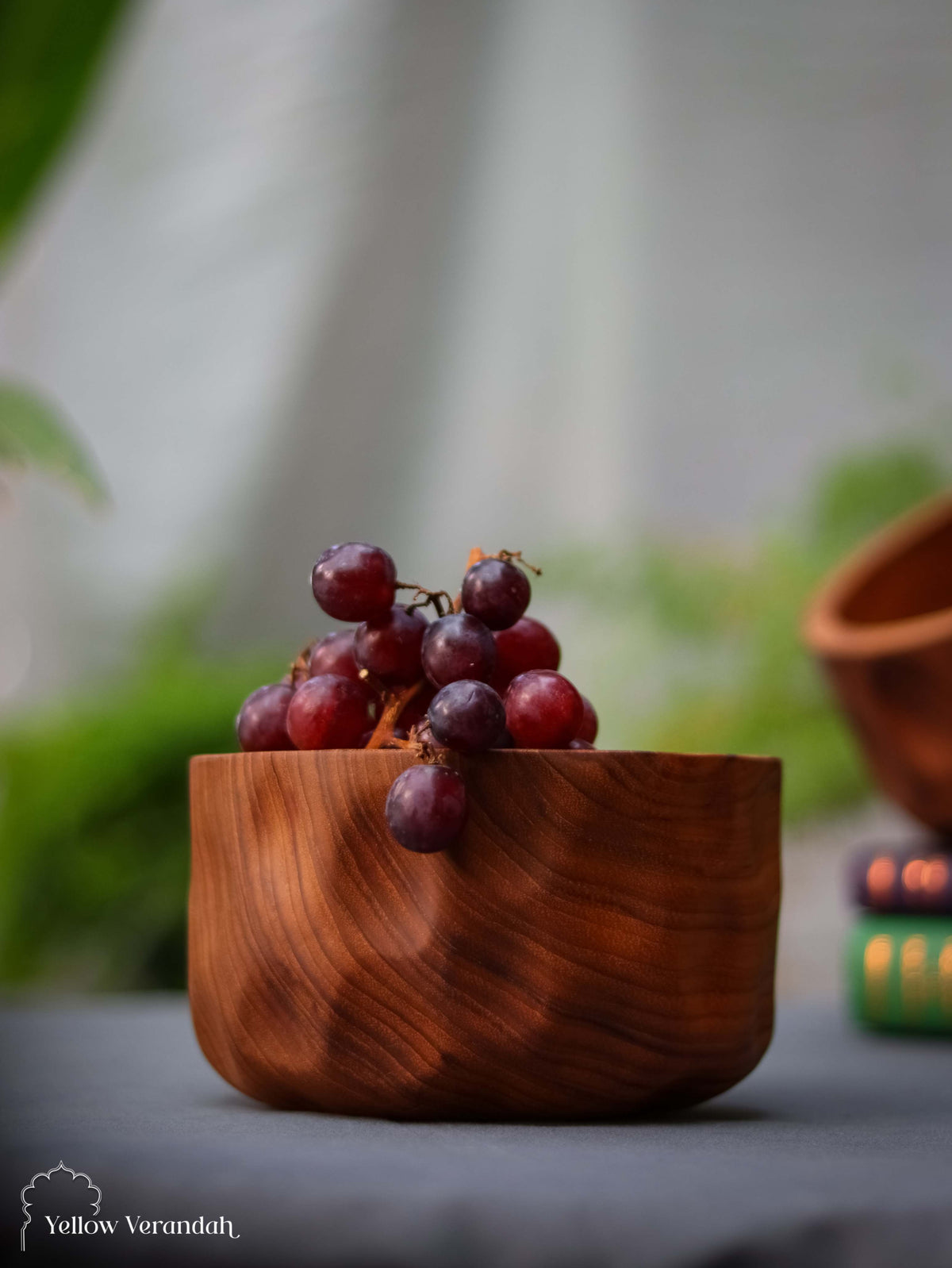
Wooden tableware is one of the easiest ways to introduce natural texture into a dining space.
A teak wood serving bowl can be used alongside ceramic dinnerware, linen napkins and stone or brass accents. The result feels layered without looking overly decorated.
The Teak Wood Serving Bowl - Dia 6" is a versatile example for serving salads, fruits, snacks and side dishes.
Brass vs Wood: Which Looks More Luxurious?
If your idea of luxury involves shine, detailing and an antique feel, brass is likely to work better.
Brass catches light and can make even a small decorative piece stand out. Vintage and handcrafted brass pieces can also add a sense of history that feels more collected than mass-produced.
Wood creates a different type of luxury.
Its appeal comes from craftsmanship, natural materiality and texture rather than shine. A beautifully finished wooden sculpture, table or serving piece can make a room feel sophisticated while remaining understated.
Brass says refined. Wood says grounded.
And when used together, they can create a particularly rich interior.
Can You Mix Brass and Wood Décor?
Absolutely—and this is often where the most interesting interiors come together.
Brass and wood complement each other because they provide contrasting qualities.
Wood offers:
- Natural texture
- Warmth
- Visual softness
- Organic character
- A grounded appearance
Brass offers:
- Subtle shine
- Warm metallic tones
- Contrast
- Heritage appeal
- A more decorative finish
Instead of choosing one material throughout your home, use wood as the foundation and brass as an accent.
For example, imagine a wooden console with a brass candle stand, a teak dining table with brass serveware, or a wooden bookshelf styled with one vintage brass object.
The contrast prevents the room from looking flat.
How to Style Brass and Wood Together
1. Let Wood Take Up More Visual Space
If you have wooden furniture, flooring or cabinetry, allow those larger elements to establish the room's foundation.
Use brass in smaller quantities through decorative accessories.
This creates balance rather than allowing the metallic finish to dominate.
2. Use Brass as an Accent
You don't need several brass objects in one room.
One well-placed brass piece can have more impact than a collection of smaller items. Try a brass candle stand on a console, a brass plate on a wall or a brass decorative object on a bookshelf.
3. Pair Warm Wood With Antique Brass
Warm-toned teak and antique brass are particularly compatible because both materials have earthy undertones.
The combination works beautifully in Indian-inspired, rustic, vintage and eclectic interiors.
4. Keep the Background Simple
Brass and wood already provide plenty of visual interest. Pair them with neutral walls, simple fabrics and uncluttered surfaces to let the materials stand out.
5. Introduce Textiles for Softness
Linen, cotton and other natural textiles can soften the contrast between hard materials.
A wooden table with neutral linen runners and brass accents, for example, can feel sophisticated without becoming formal.
Brass vs Wood for Different Rooms
|
Room |
Brass Works Best For |
Wood Works Best For |
|
Living Room |
Candle stands, decorative plates, sculptures |
Furniture, sculptures, side tables |
|
Dining Room |
Serveware, plates, decorative accents |
Serving bowls, platters, tables |
|
Bedroom |
Small decorative accents |
Furniture, frames, stools |
|
Entryway |
Statement accents and console décor |
Consoles, stools and sculptures |
|
Kitchen |
Serveware and traditional accents |
Bowls, serving pieces and furniture |
|
Study |
Decorative objects |
Desks, shelves and storage |
|
Bar Area |
Glasses and decorative accents |
Bar chairs and wooden furniture |
Brass vs Wood for Indian Homes
Both materials have a strong place in Indian interiors.
Brass has long been associated with traditional Indian homes, festive décor and handcrafted objects. Its golden tone works naturally with deeper colours, carved furniture and heritage-inspired spaces.
Wood is equally versatile. From teak furniture to carved sculptures and wooden serveware, it can complement both traditional and contemporary Indian homes.
For a modern Indian interior, one effective approach is to combine clean-lined wooden furniture with a few traditional brass accents.
This gives you the warmth of traditional décor without making the room feel dated.
Which Material Is Easier to Maintain?
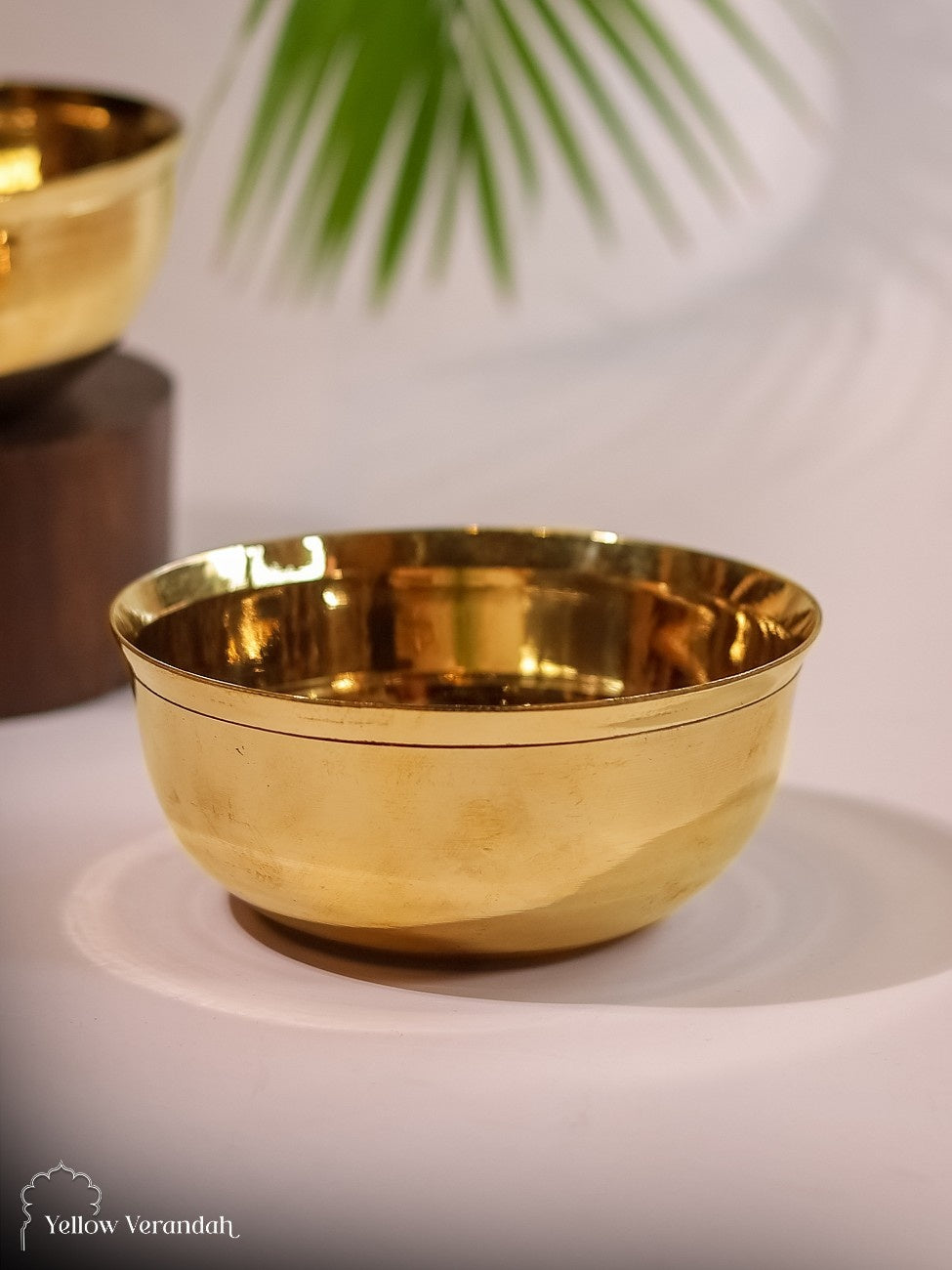
Both materials require some care, but their maintenance needs are different.
Wood generally benefits from gentle cleaning, protection from prolonged moisture and appropriate conditioning depending on the product.
Brass develops a natural patina over time. Some homeowners love this aged appearance, while others prefer to maintain a brighter finish. Brass pieces may therefore require occasional polishing or cleaning depending on the desired look.
For example, the care instructions for the Pure Brass Serving Bowl - 6" Dia recommend regular wiping and periodic cleaning with salt and lemon to help retain its polish.
With either material, always follow the specific care instructions provided for the individual piece.
Brass or Wood: Which One Should You Choose?
Choose brass if you want:
- A more decorative appearance
- Metallic warmth
- Heritage-inspired styling
- Statement accents
- Vintage or traditional character
- A touch of visual shine
Choose wood if you want:
- A natural, relaxed atmosphere
- Organic texture
- Warmth without shine
- Rustic or contemporary styling
- Versatile everyday décor
- A softer visual effect
And choose both if you want a layered, collected interior.
The Best Approach: Don't Choose Just One
The real question isn't whether brass or wood is better. It is how much of each material your room needs.
A home decorated entirely in brass could feel visually heavy, while a space filled only with wood may lack contrast. Combining the two creates balance.
Think of wood as the foundation and brass as the jewellery.
Use wooden furniture and larger natural elements to create warmth and structure. Then introduce brass through smaller decorative objects, serving pieces, candle stands and accents.
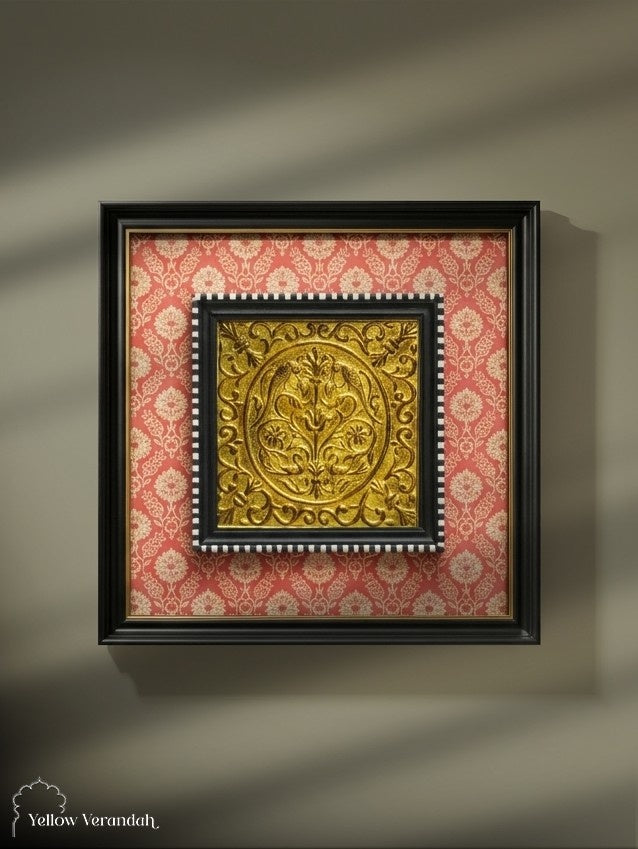
For example, a teakwood table can become the foundation of a dining room, while brass serveware adds contrast. A wooden console can be paired with a vintage brass accent. Even wall décor can combine both materials—the Brass Relief Art Wall Frame uses handcrafted brass relief within a solid wooden frame, demonstrating how naturally the two materials can work together.
FAQs: Brass vs Wood Décor
Is brass décor better than wood décor?
Neither is universally better. Brass is ideal when you want shine, heritage and decorative impact, while wood is better suited to natural warmth, texture and a relaxed atmosphere.
Can brass and wood be used together in the same room?
Yes. Brass and wood are complementary materials. Wood can provide the foundation while brass works as an accent, creating contrast and visual depth.
Is wood décor suitable for modern homes?
Absolutely. Simple wooden furniture, sculptures and tableware can work beautifully in contemporary, minimalist and modern homes.
Does brass décor make a room look old-fashioned?
Not necessarily. The overall styling determines the effect. Pairing brass with clean-lined furniture, neutral colours and contemporary décor can create a sophisticated modern look.
Which is better for a minimalist home—brass or wood?
Wood is generally easier to use as a dominant material in minimalist interiors because of its softer visual presence. Brass can then be introduced sparingly as an accent.
Which material is better for an Indian-style interior?
Both work exceptionally well. Brass can enhance traditional and heritage-inspired interiors, while wood adds warmth and works across both traditional and contemporary Indian styles.
How do you make brass and wood décor look cohesive?
Choose pieces with complementary warm undertones and avoid using too many competing finishes. A few carefully placed brass accents against a foundation of natural wood usually create a balanced look.
Can wooden furniture and brass décor work in a contemporary living room?
Yes. A clean-lined wooden table, sideboard or chair can be paired with a brass candle stand, sculpture or decorative plate to add warmth and sophistication without making the space feel overly traditional.
Final Verdict: Brass or Wood?
If you want warmth and natural texture, choose wood.
If you want shine, heritage and decorative impact, choose brass.
But if you want a home that feels layered, sophisticated and personal, combine them.
The most successful interiors rarely rely on one material alone. A natural wooden foundation, complemented by carefully chosen brass accents, can create a home that feels warm, elegant and timeless without appearing overdesigned.
