Hindu God Sculptures for Home Decor: Vastu Tips & Placement Guide

Hindu God sculptures have long been an integral part of Indian homes, symbolising faith, positivity, and timeless artistry. Beyond their spiritual significance, beautifully handcrafted divine sculptures also serve as elegant home décor pieces that bring serenity and cultural richness to living spaces. Whether placed in a dedicated pooja room, an entryway, or a thoughtfully styled console table, these sculptures can create an atmosphere of peace and devotion.
According to Vastu Shastra, the placement of divine idols is believed to influence the flow of positive energy within a home. While Vastu principles can vary by tradition and personal belief, many homeowners use them as general guidelines when decorating with sacred sculptures. Yellow Verandah's handcrafted marble dust sculptures, created by skilled artisans from West Bengal, are designed for both devotional spaces and elegant home styling.
Here are some popular Hindu God sculptures and practical Vastu-inspired placement ideas for your home.
1. Saraswati Sculpture – Invite Wisdom and Creativity
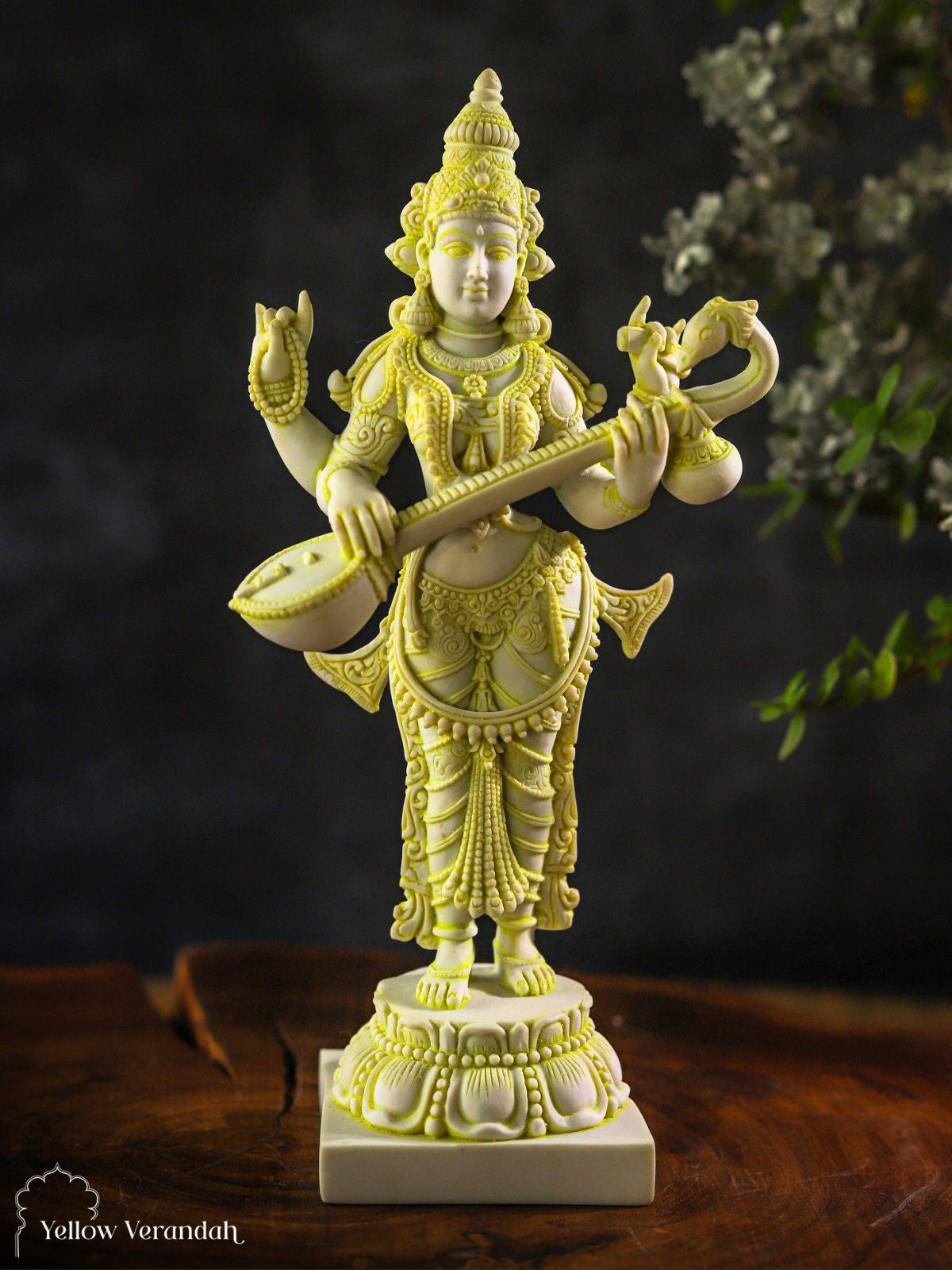
The Saraswati Sculpture represents knowledge, learning, music, and the arts. It is an ideal addition to study rooms, libraries, home offices, or creative spaces where inspiration is valued.
Vastu Tip: Place the Saraswati idol in a clean, peaceful area facing east or west. Avoid placing it directly on the floor; instead, display it on a wooden pedestal, console, or shelf.
Its graceful design also makes it an elegant décor piece for bookshelves and study corners.
2. Ganesha Sculpture – The Remover of Obstacles
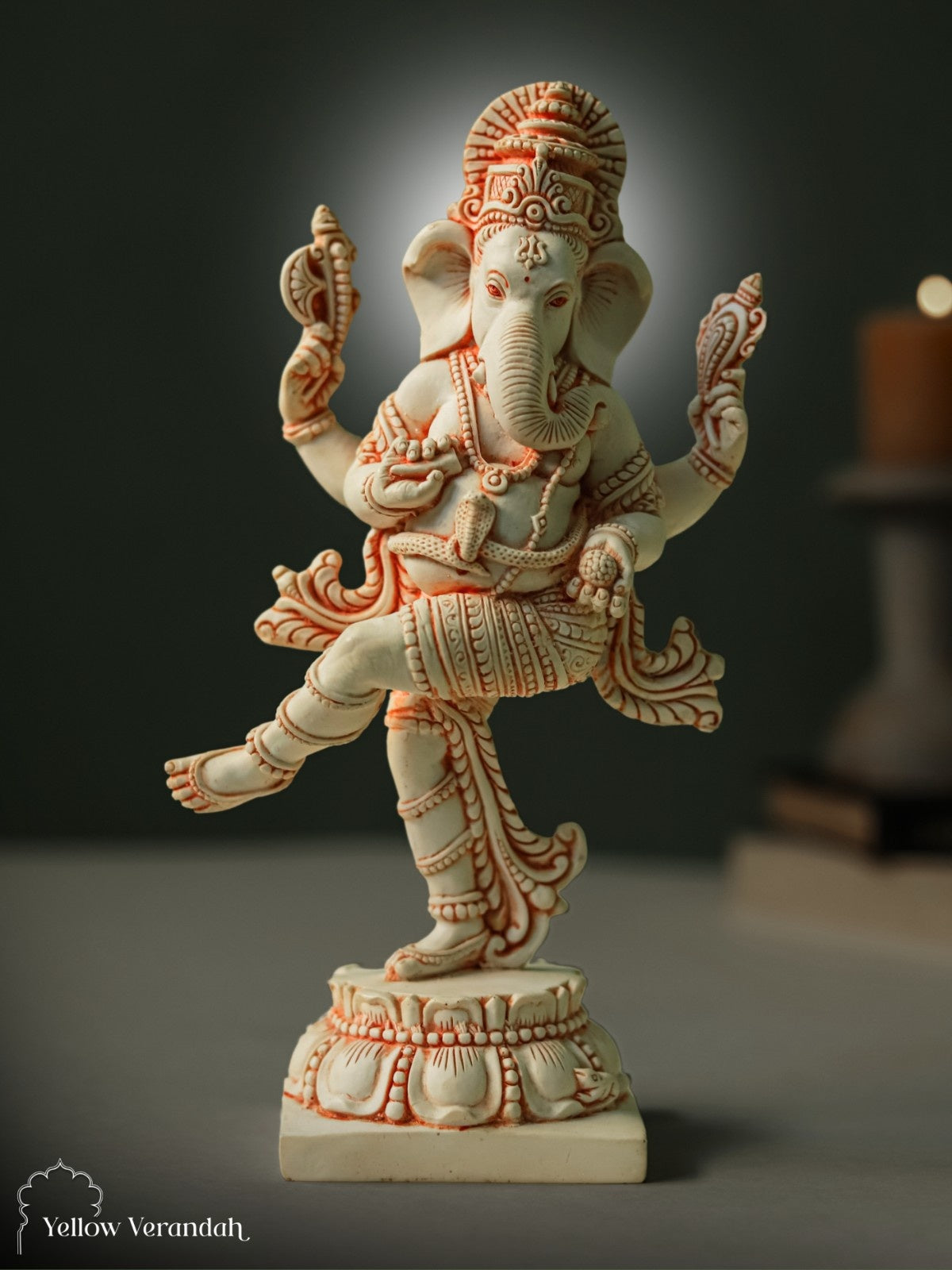
Lord Ganesha is one of the most popular deities for home décor because he symbolises wisdom, prosperity, and new beginnings.
Vastu Tip: A Ganesha sculpture is often placed near the entrance or in the pooja room to welcome positive energy. Ensure the idol is positioned respectfully and in a clean, uncluttered space.
A handcrafted marble Ganesha sculpture blends spiritual significance with timeless craftsmanship.
3. Radha Krishna Sculpture – Symbol of Love and Harmony
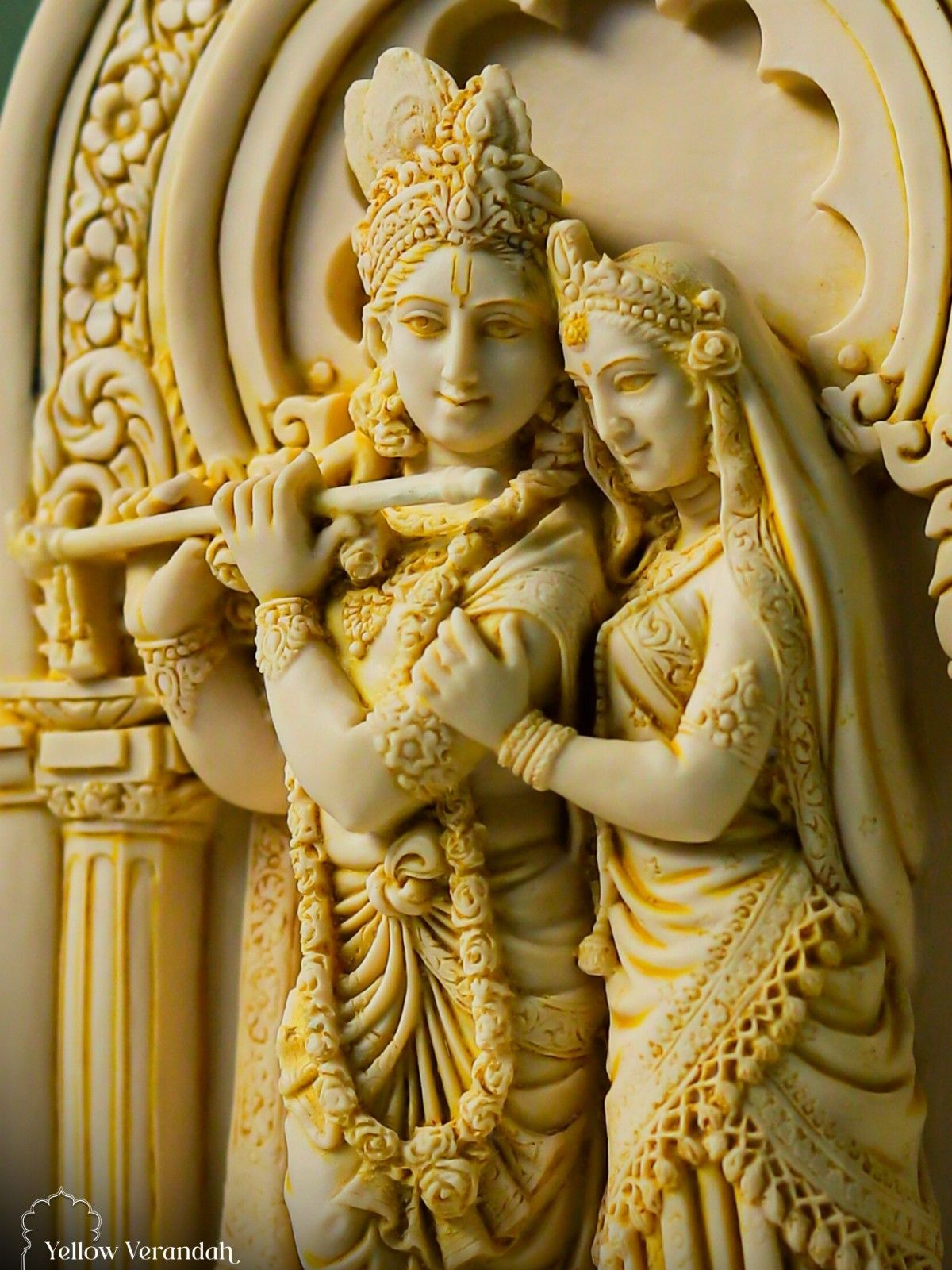
The Radha Krishna Sculpture beautifully represents unconditional love, devotion, and harmony. It is a popular choice for living rooms, meditation corners, and family spaces.
Vastu Tip: Many people place Radha Krishna idols in the north-east area of the home or within a prayer room. They are also displayed in living areas to create a peaceful and welcoming atmosphere.
Their artistic detailing makes them equally suitable as elegant decorative sculptures.
4. Krishna with Flute Sculpture – Peace and Joy
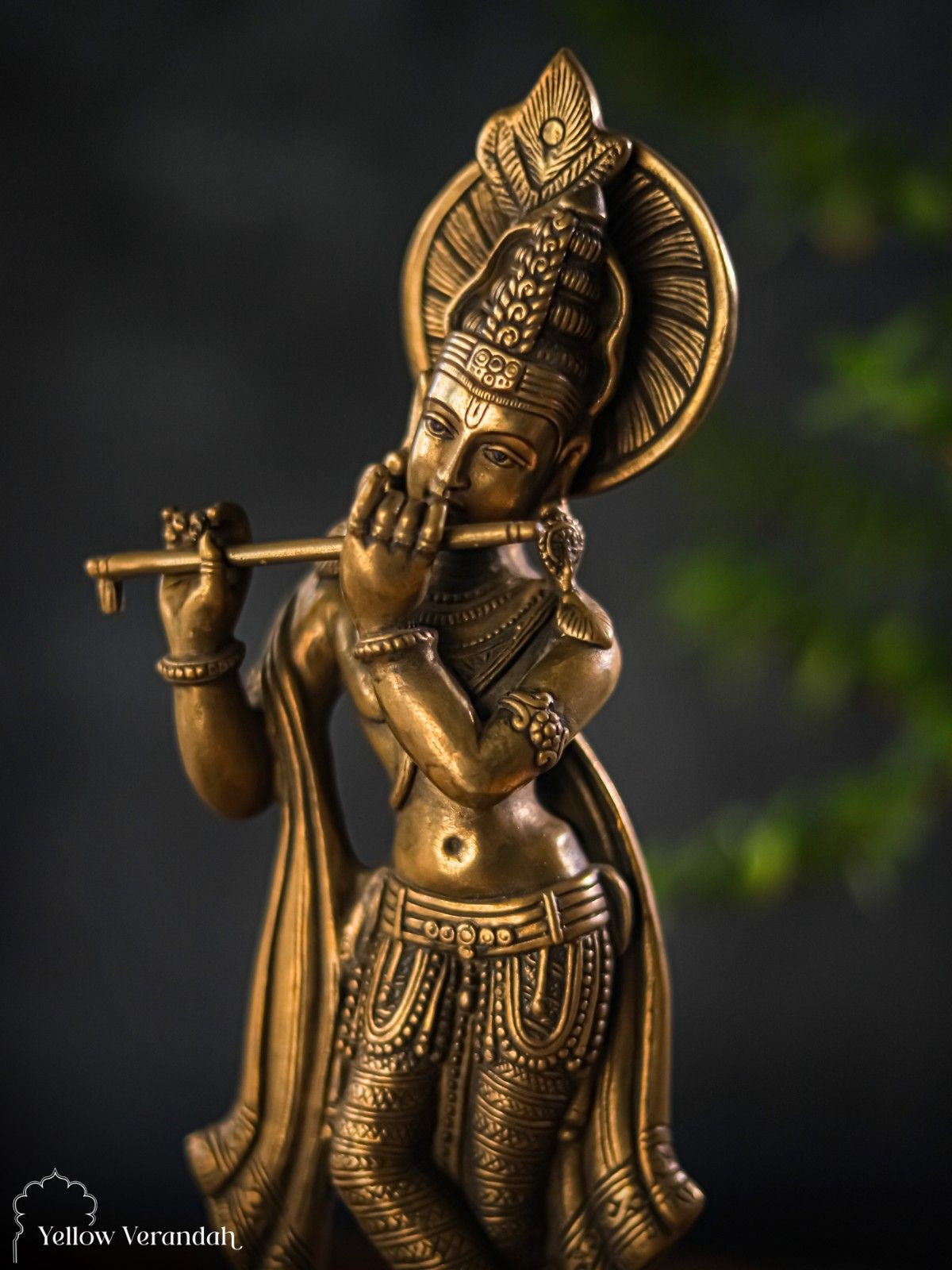
A Krishna with Flute Sculpture captures Lord Krishna's playful and compassionate nature. This sculpture brings a calming presence to interiors while adding artistic beauty.
Vastu Tip: Place the sculpture in the living room, meditation space, or pooja room where it can become a meaningful focal point.
Its serene expression complements both traditional and contemporary interiors.
5. Durga Sculpture – Strength and Protection
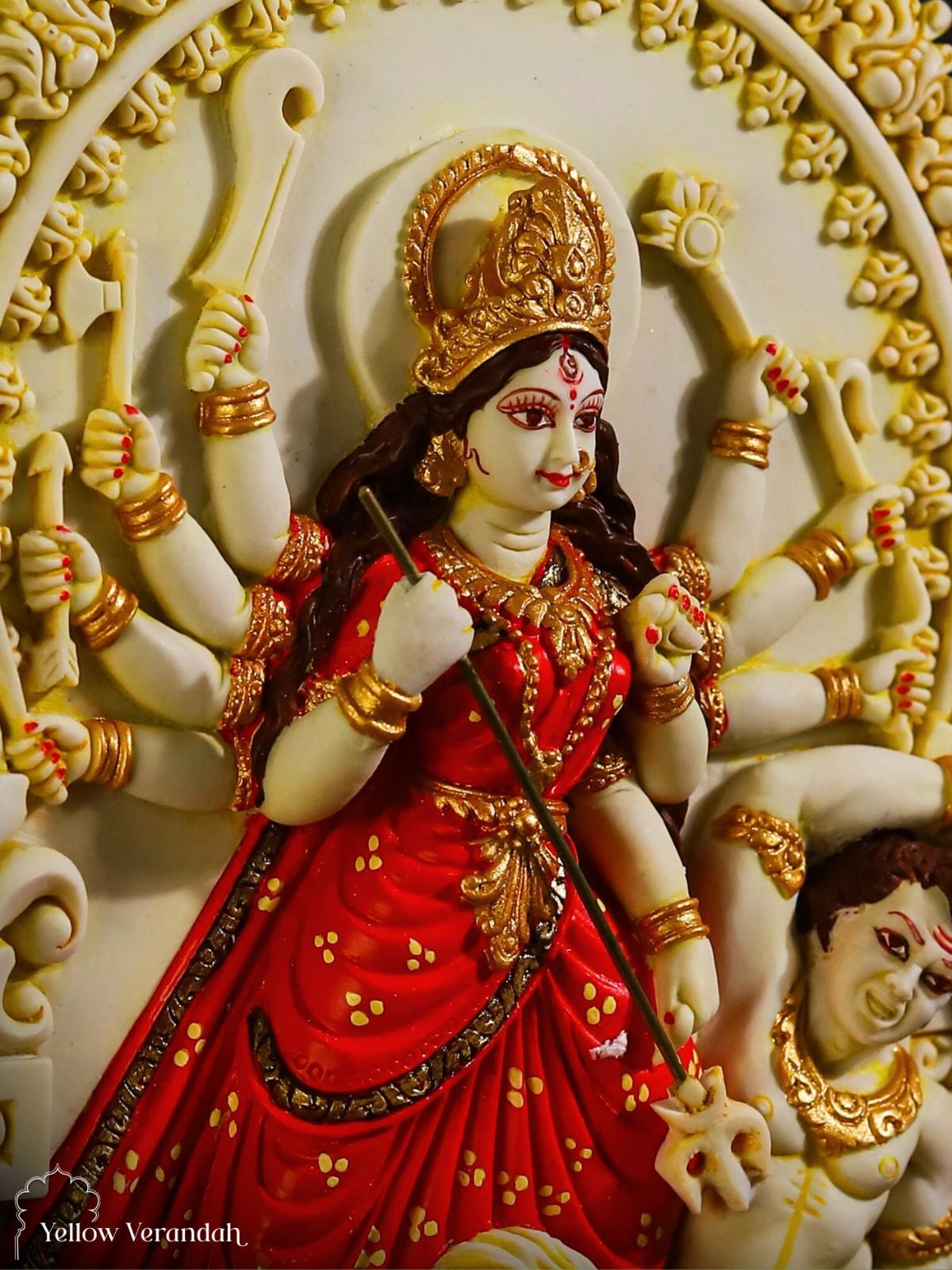
The Durga Sculpture symbolises courage, protection, and divine feminine energy. It is often displayed during festivals but also serves as a year-round reminder of resilience and inner strength.
Vastu Tip: Position the sculpture respectfully in a prayer area or a dedicated spiritual corner where it remains undisturbed.
A beautifully handcrafted Durga sculpture also adds cultural richness to heritage-inspired interiors.
6. Sri Balaji Sculpture – Prosperity and Devotion
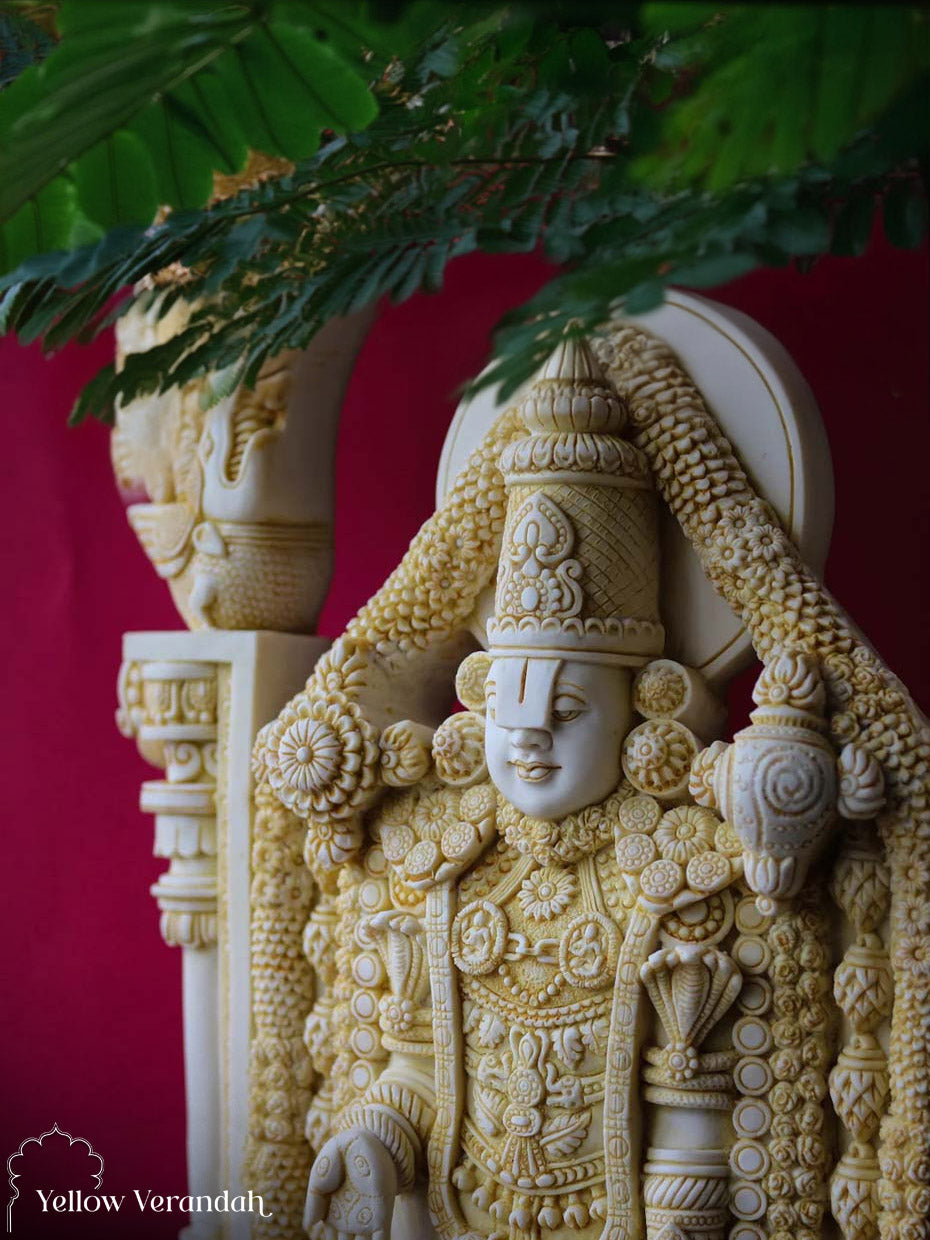
The Sri Balaji Sculpture, representing Lord Venkateswara, is widely worshipped as a symbol of prosperity, blessings, and devotion.
Vastu Tip: A dedicated pooja room or sacred altar is generally considered the most appropriate location. Keep the area clean, well-lit, and free from clutter.
Handcrafted marble dust detailing gives this sculpture a timeless appearance suitable for both worship and elegant home décor.
7. Jagannath Sculpture – A Sacred Symbol of Protection
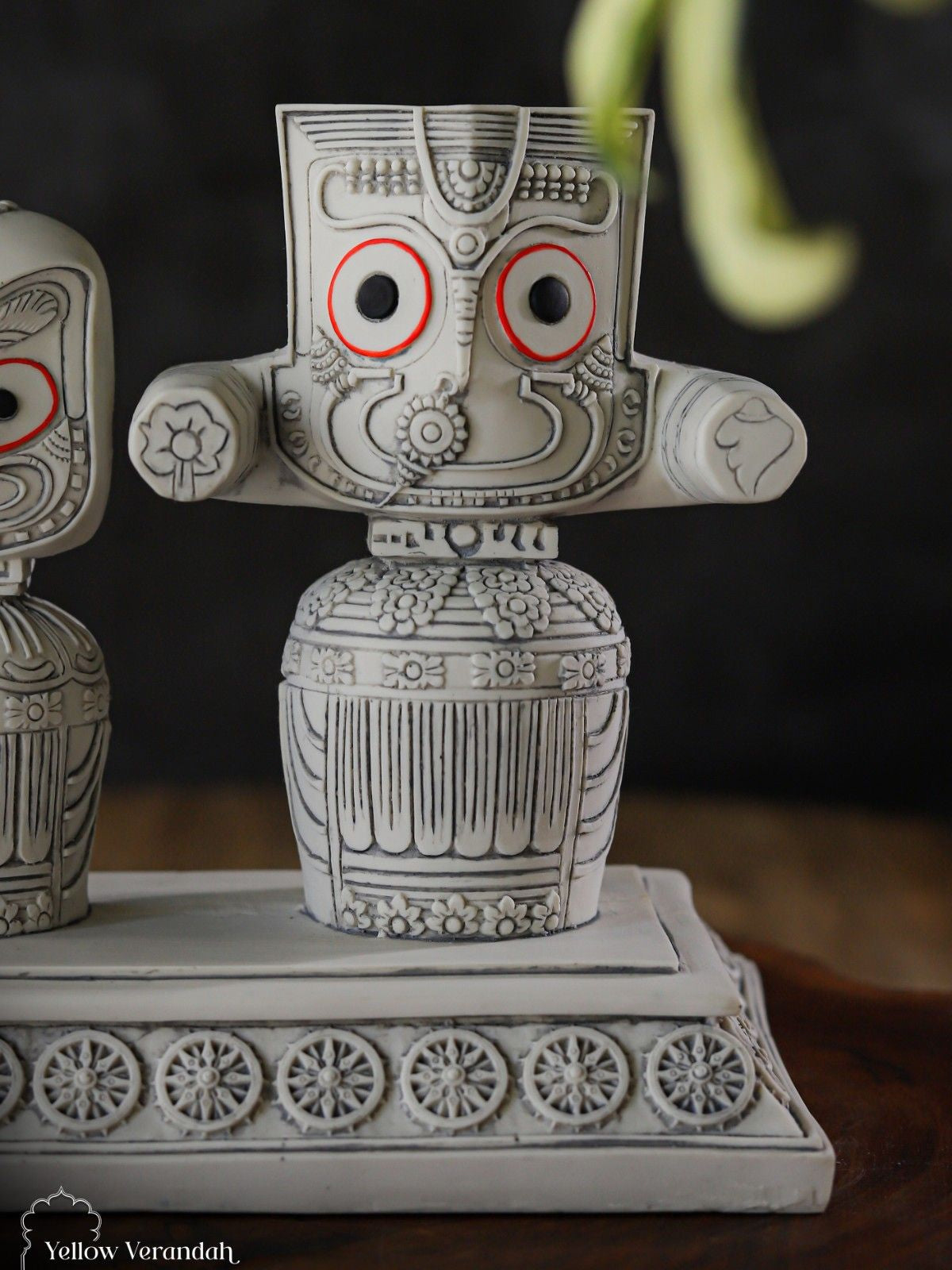
The Jagannath Sculpture is cherished for representing divine guidance and universal compassion. Its distinctive artistic style makes it both spiritually meaningful and visually striking.
Vastu Tip: Display it in a clean and peaceful prayer space where daily prayers or meditation take place.
Its handcrafted design also complements traditional Indian interiors.
8. Buddha Sculpture – Peaceful Contemporary Décor
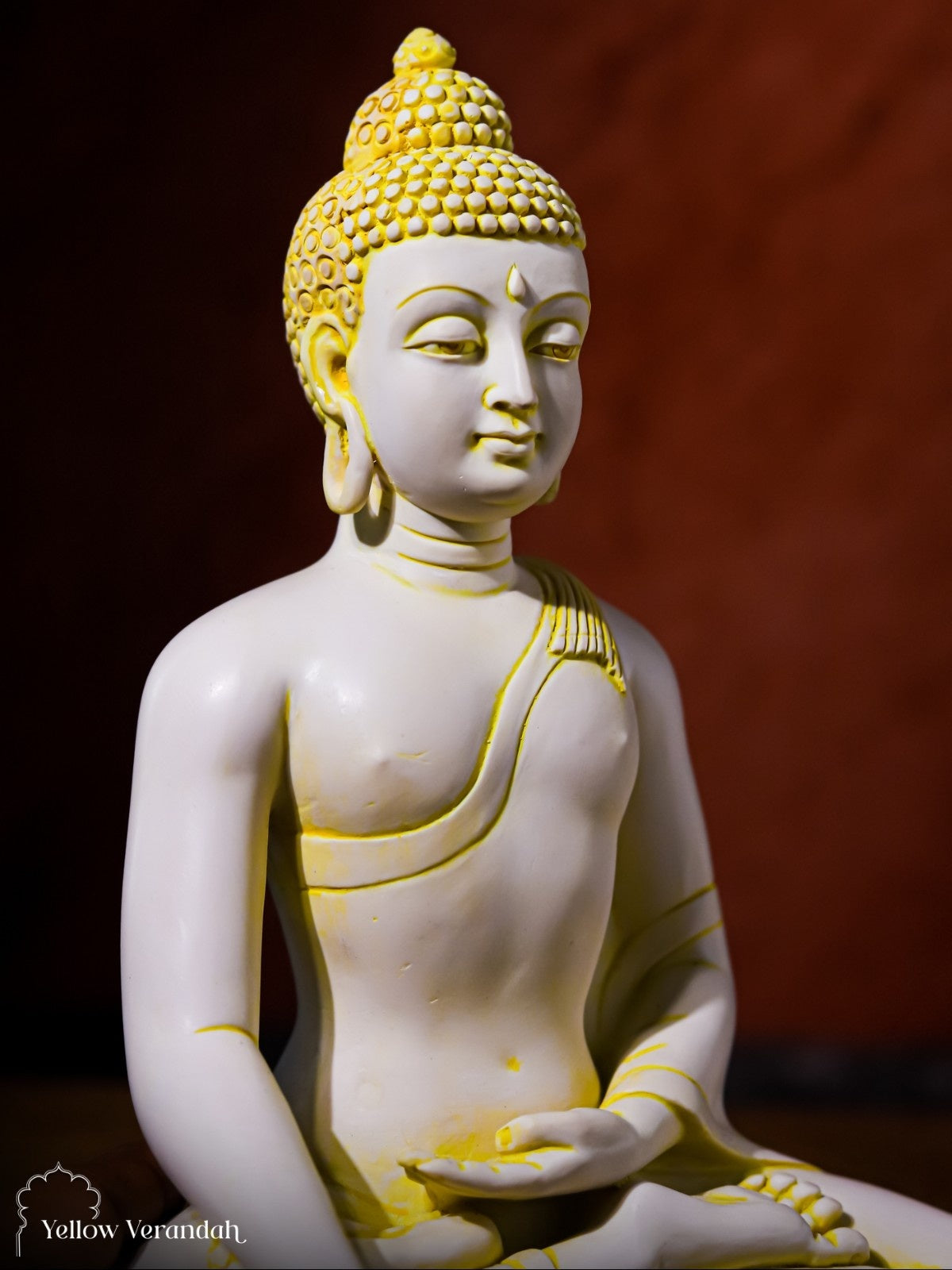
Although associated with Buddhism rather than Hinduism, a Buddha Sculpture is widely appreciated for symbolising peace, mindfulness, and inner calm.
Vastu Tip: Many homeowners place Buddha sculptures in meditation rooms, gardens, or living spaces dedicated to relaxation. Avoid placing them directly on the floor or in areas considered disrespectful.
Its minimalist elegance makes it suitable for modern, contemporary, and Zen-inspired interiors.
General Vastu Tips for Placing God Sculptures
When decorating your home with divine sculptures, consider these commonly followed Vastu-inspired guidelines:
- Place idols on a raised platform or shelf instead of directly on the floor.
- Keep the surrounding area clean, organised, and well-lit.
- Choose peaceful locations that encourage prayer, reflection, or meditation.
- Avoid placing sacred sculptures near bathrooms or storage areas.
- Use natural materials such as wood, marble, or brass to complement the spiritual ambience.
- Display sculptures respectfully rather than treating them as ordinary decorative objects.
These suggestions are commonly followed traditions rather than universally accepted rules, and personal beliefs may differ.
Why Marble Dust Sculptures Make Beautiful Home Décor
Marble dust sculptures combine traditional craftsmanship with remarkable artistic detail. Skilled artisans use fine sculpting techniques to create expressive features, intricate textures, and smooth finishes that closely resemble carved marble. Yellow Verandah's marble dust sculptures are handcrafted by artisans from West Bengal and are designed for pooja rooms, bookshelves, console tables, and decorative corners alike.
Whether your interior style is traditional, classic, or contemporary, these handcrafted sculptures add elegance, cultural heritage, and spiritual warmth to your home.
Conclusion
Hindu God sculptures are more than decorative accents—they represent devotion, tradition, and timeless artistry. Whether you choose a Saraswati Sculpture for wisdom, a Ganesha Sculpture for new beginnings, a Radha Krishna Sculpture for harmony, or a Sri Balaji Sculpture for blessings, each piece adds both spiritual significance and aesthetic beauty to your interiors.
By placing these handcrafted sculptures thoughtfully and respectfully, you can create a peaceful home that celebrates India's rich artistic and spiritual heritage.
FAQs
1. Which Hindu God sculpture is best for home décor?
Ganesha, Saraswati, Radha Krishna, Sri Balaji, Durga, and Krishna sculptures are among the most popular choices because they combine spiritual significance with timeless artistic appeal.
2. Where should God sculptures be placed according to Vastu?
Many people prefer placing them in the north-east direction, pooja room, or another clean and peaceful space. Vastu practices vary, so choose a placement that aligns with your family's traditions and beliefs.
3. Can marble dust sculptures be used for both décor and worship?
Yes. Marble dust sculptures are commonly displayed in pooja rooms as well as on console tables, bookshelves, and decorative shelves, depending on personal preference and the intended use.
4. Is it acceptable to place a Buddha sculpture in the living room?
Yes. Many homeowners display Buddha sculptures in living rooms or meditation areas to create a calm and peaceful atmosphere.
5. How do I care for marble dust sculptures?
Dust them regularly with a soft, dry cloth. For occasional cleaning, use water if appropriate for the finish, then wipe dry. Avoid harsh chemicals or abrasive cleaning materials.
