8 Essential Types of Home Lighting Every Homeowner Should Know

Lighting is one of the most powerful yet often overlooked elements of interior design. While furniture, wall colours, and décor accessories shape the appearance of a room, lighting determines how that space feels. The right lighting can make a room appear larger, warmer, more inviting, and more functional. It highlights architectural features, creates mood, and enhances the overall aesthetics of your home.
Whether you're building a new home, renovating an existing space, or simply updating your interiors, understanding the different types of home lighting is essential. From elegant pendant lights and statement floor lamps to ambient wall lighting, each lighting category serves a unique purpose.
Here are eight essential types of home lighting every homeowner should know.
8 Essential Types of Home Lighting Every Homeowner Should Know
1. Ambient Lighting – The Foundation of Every Room
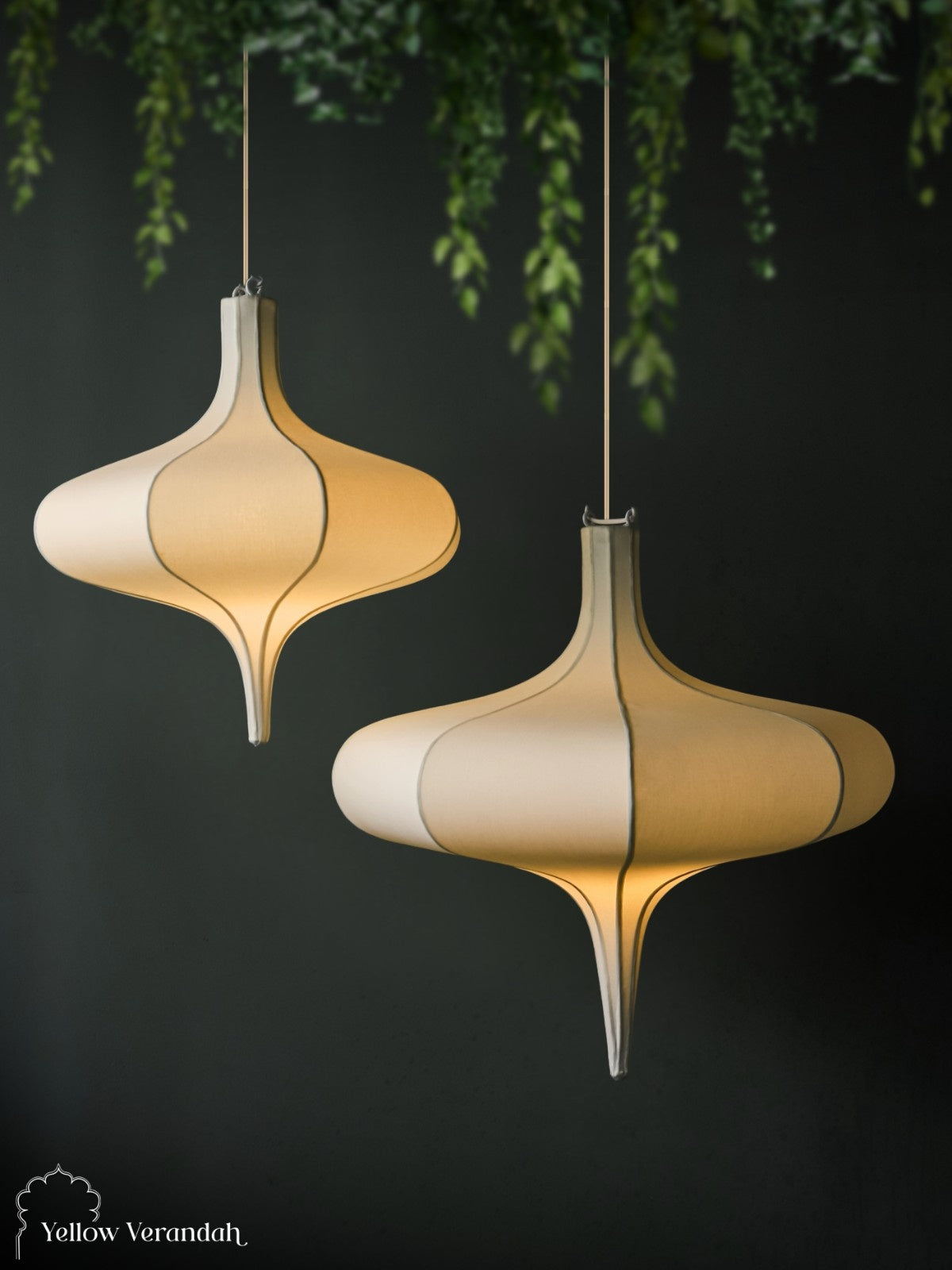
Ambient lighting, also known as general lighting, provides overall illumination for a room. It creates a comfortable level of brightness that allows you to move around safely and perform daily activities without strain.
Pendant lights, ceiling fixtures, and hanging lights are commonly used as ambient lighting sources. Designs such as Onion Pendant Lights, Bloom Pendant Lights, and the Spherical Bloom Light are excellent choices for creating balanced illumination while adding a decorative element to your interiors.
Ambient lighting serves as the base layer upon which all other lighting types are built.
2. Pendant Lighting – Stylish and Functional
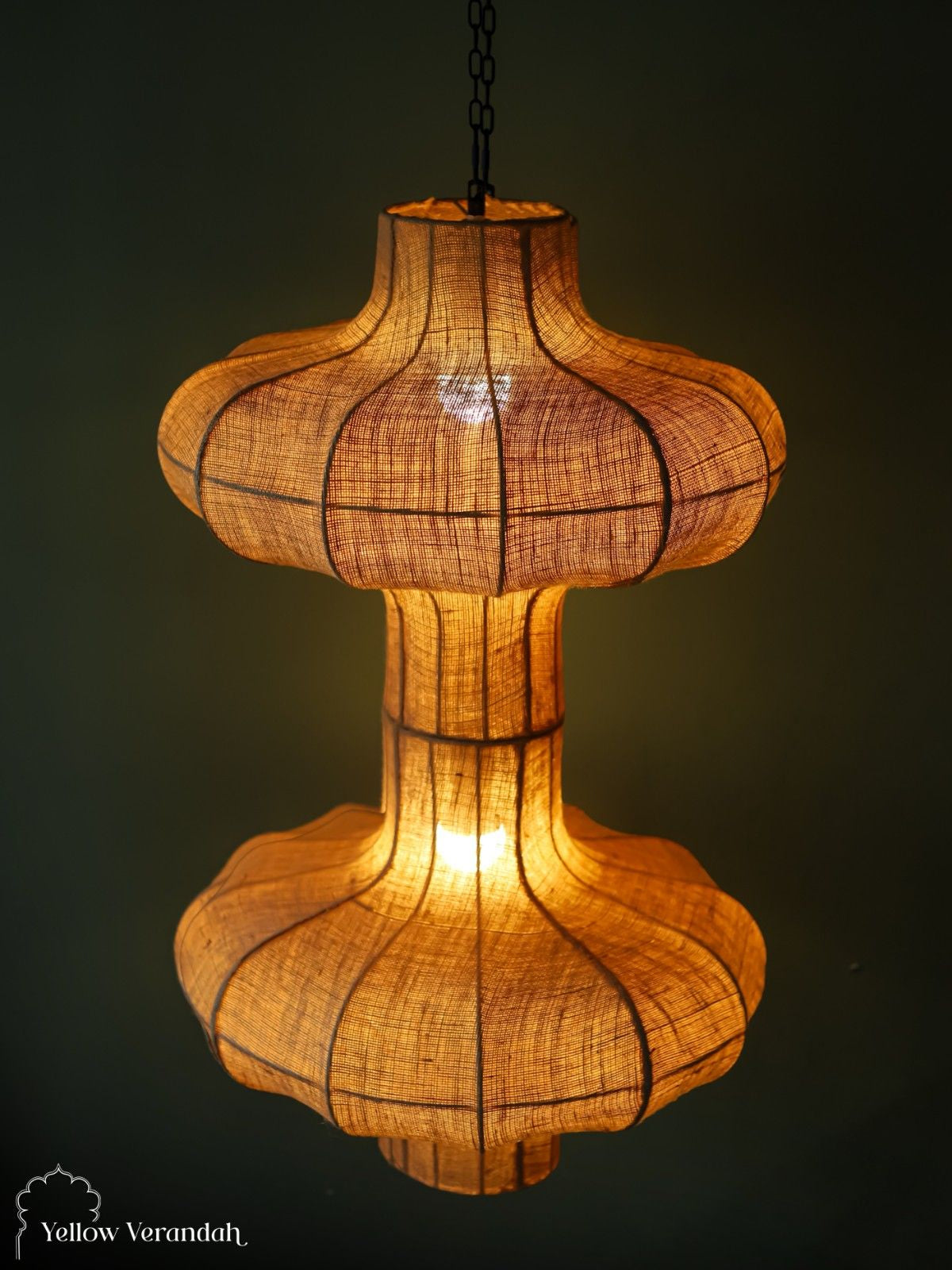
Pendant lights have become one of the most popular home lighting solutions due to their versatility and visual appeal. Suspended from the ceiling, these fixtures provide focused illumination while acting as statement décor pieces.
Options like Sculptural Hourglass Jute Pendant Lights, Natural Cane Boho Hanging Pendant Lights, and Banana Weave Pendant Hanging Lights combine artistry with functionality. Pendant lighting works beautifully over dining tables, kitchen islands, breakfast counters, and entryways.
In modern homes, pendant lights often serve as both lighting fixtures and sculptural design elements.
3. Task Lighting – Light Where You Need It Most
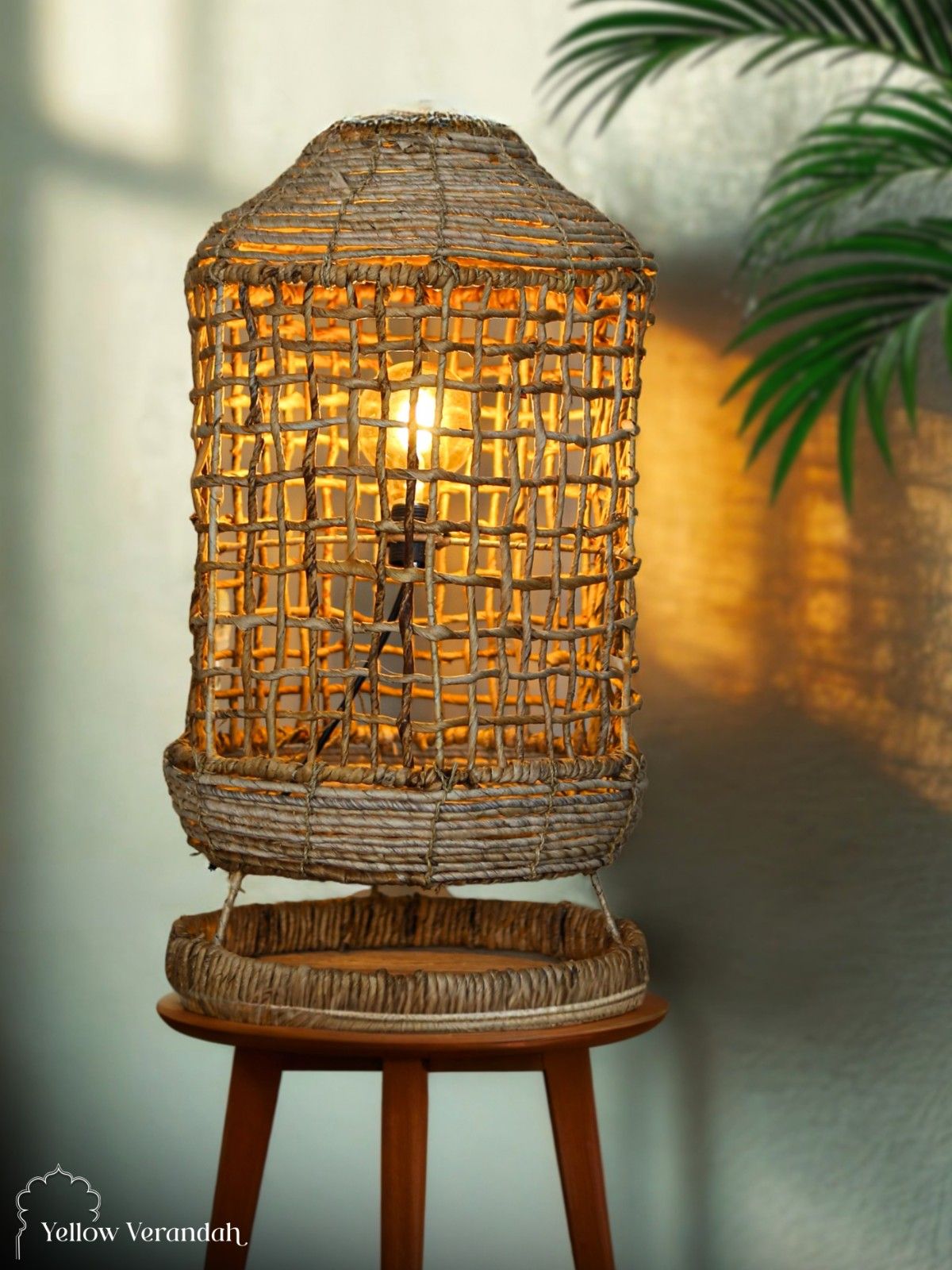
Task lighting is designed to illuminate specific areas where focused activities take place. Reading, cooking, working, and studying all require dedicated lighting that reduces eye strain and improves visibility.
Table lamps and adjustable lighting fixtures are common examples of task lighting. A thoughtfully placed Woven Banana Fibre Table Lamp can provide practical illumination while enhancing the room's décor.
The key purpose of task lighting is functionality without compromising style.
4. Floor Lighting – Adding Height and Drama
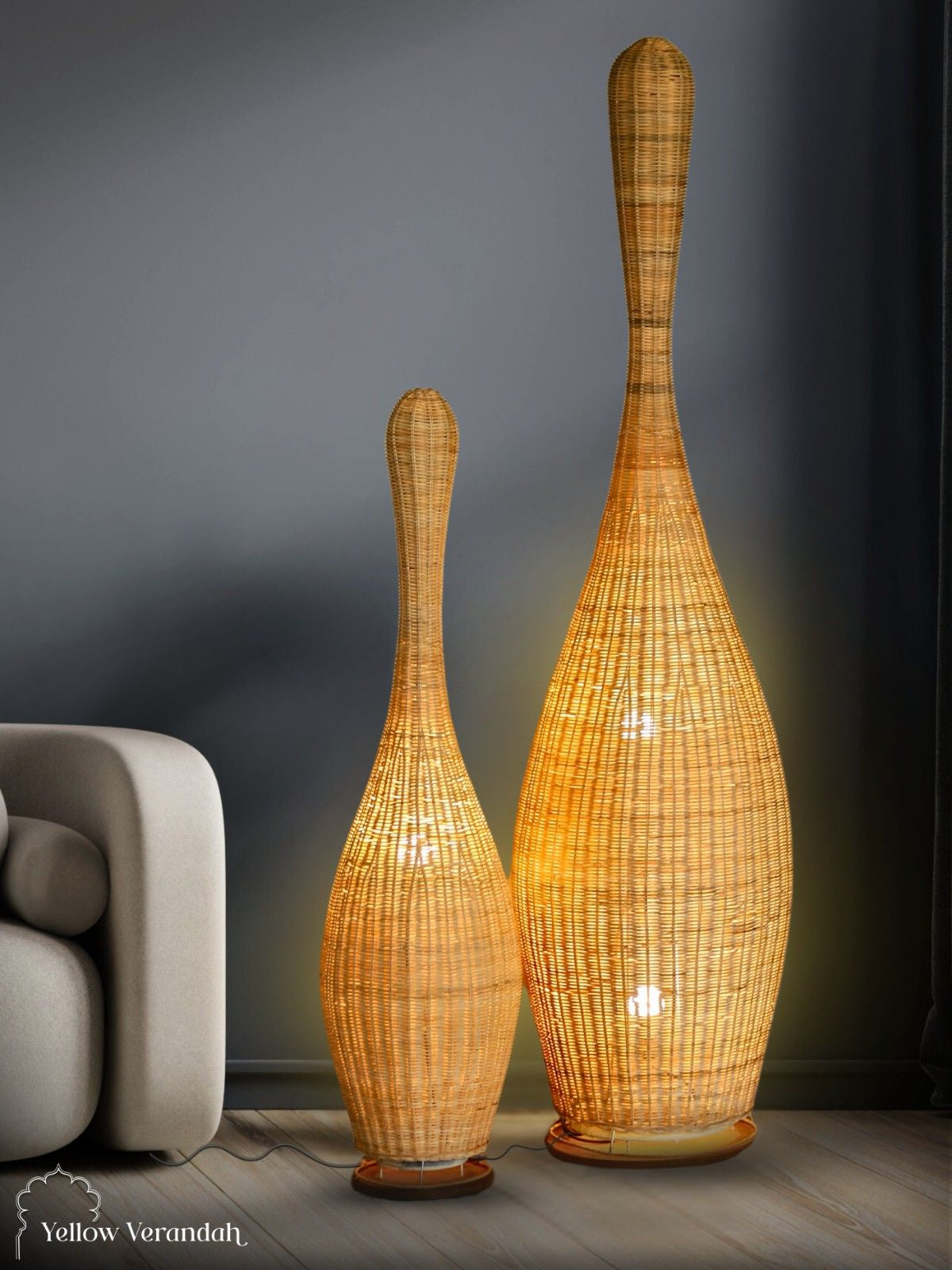
Floor lamps are among the most versatile lighting solutions available. They provide both functional and decorative benefits while adding height and visual interest to a room.
Elegant options such as Indonesian Cane Tenpin Floor Lamps, Indonesian Cane Gourd Floor Lamps, and Turning Pillar Floor Lamps create a warm and inviting atmosphere. These lights work exceptionally well in living rooms, reading corners, bedrooms, and lounge areas.
Floor lamps are ideal for filling empty corners while introducing soft ambient lighting.
5. Accent Lighting – Highlighting Key Features
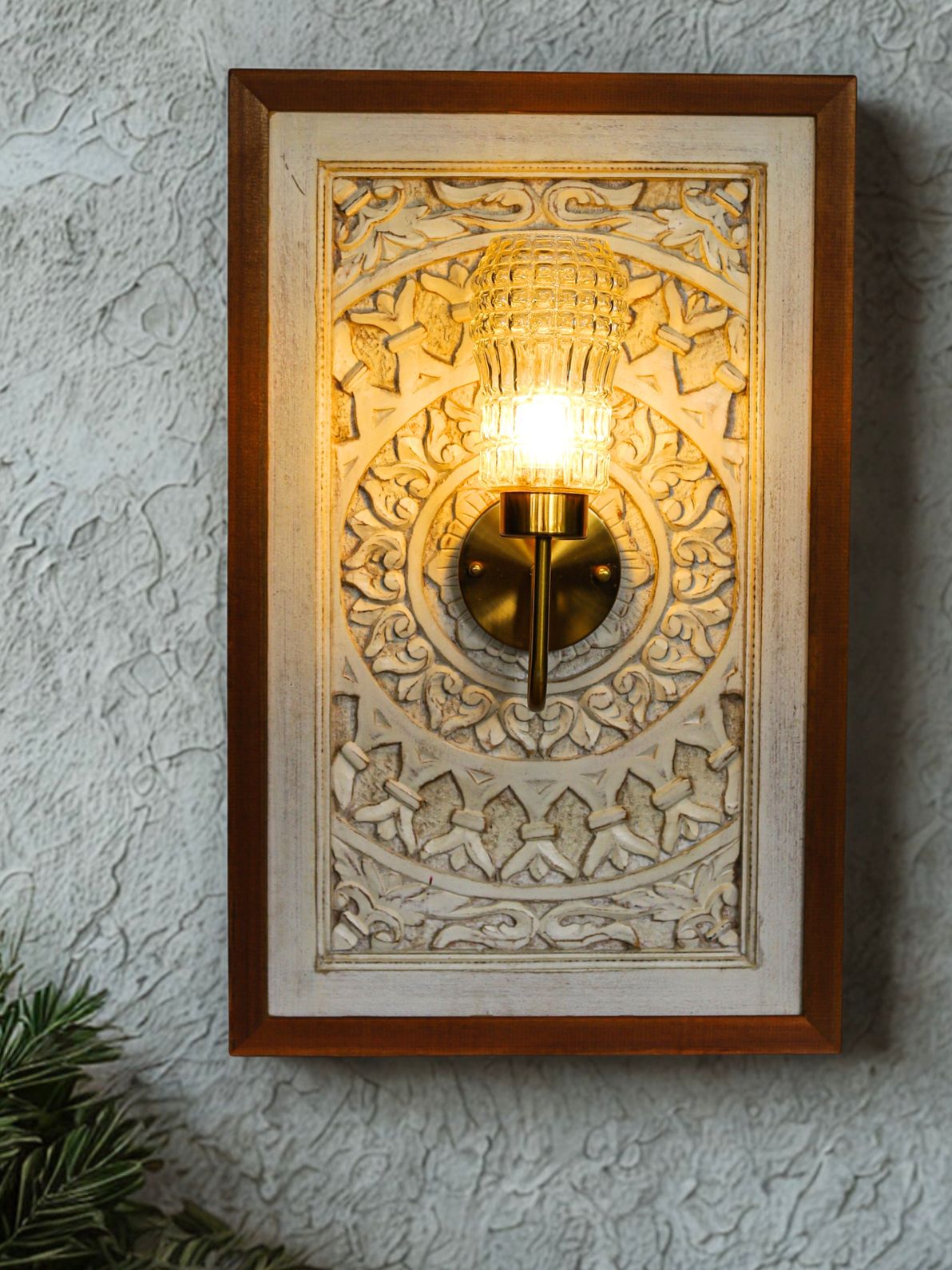
Accent lighting is used to draw attention to artwork, architectural details, textured walls, sculptures, or decorative displays. This type of lighting creates depth and visual interest by directing light toward specific focal points.
A Wall Accent Light on Window Frame is a perfect example of accent lighting that highlights unique design elements while adding warmth and sophistication.
When used correctly, accent lighting adds a layer of luxury and creates a more dynamic interior.
6. Decorative Lighting – Lighting as Art
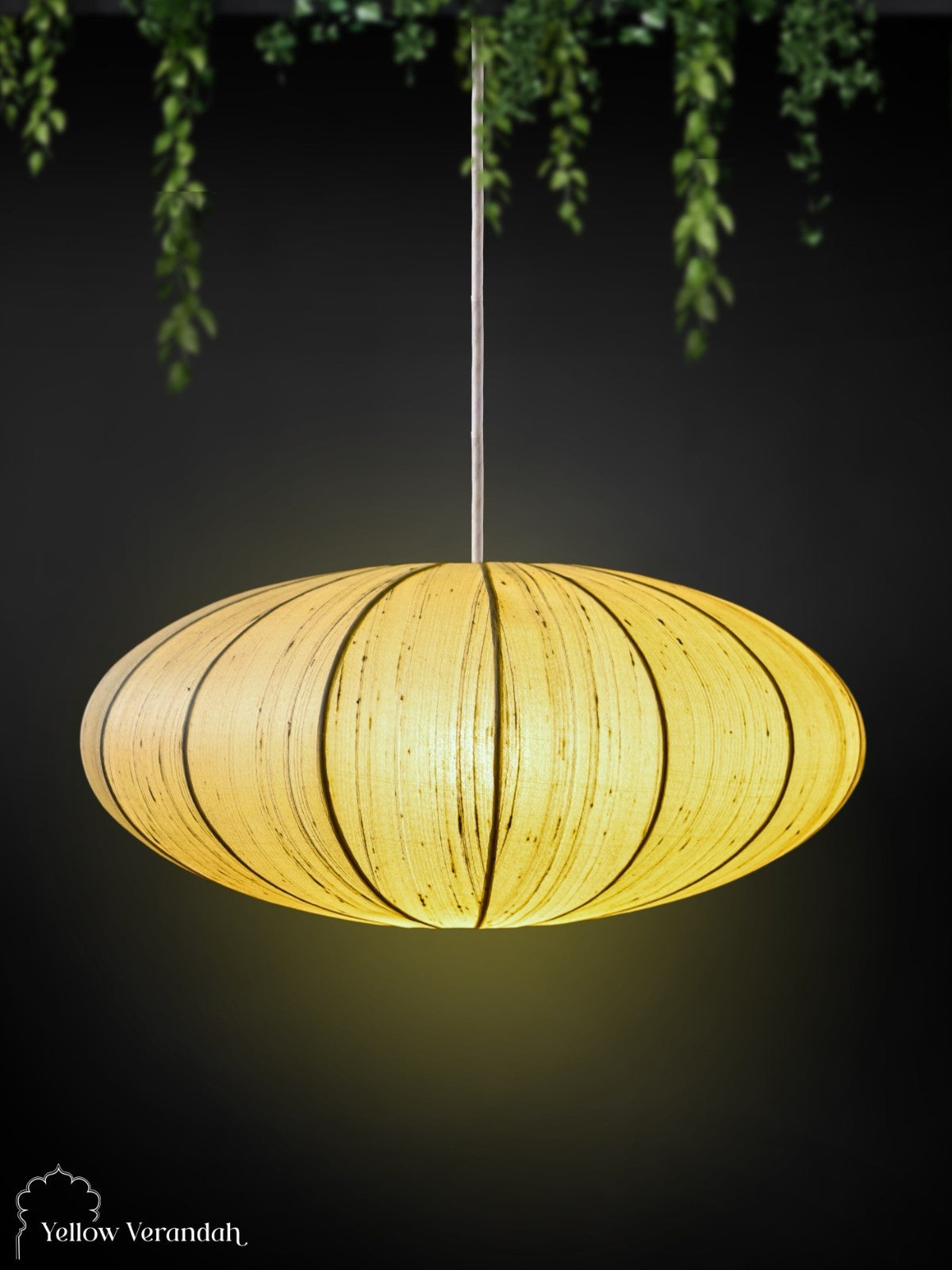
Decorative lighting focuses primarily on aesthetics rather than illumination. These fixtures act as statement pieces and contribute to the overall design language of a room.
Artistic lighting options such as Bloom Pendant Lights, Sculptural Hourglass Jute Pendant Lights, and handcrafted cane fixtures are examples of decorative lighting that doubles as functional art.
Decorative lights help establish personality and create memorable visual impact within a space.
7. Natural Material Lighting – Bringing Organic Warmth Indoors
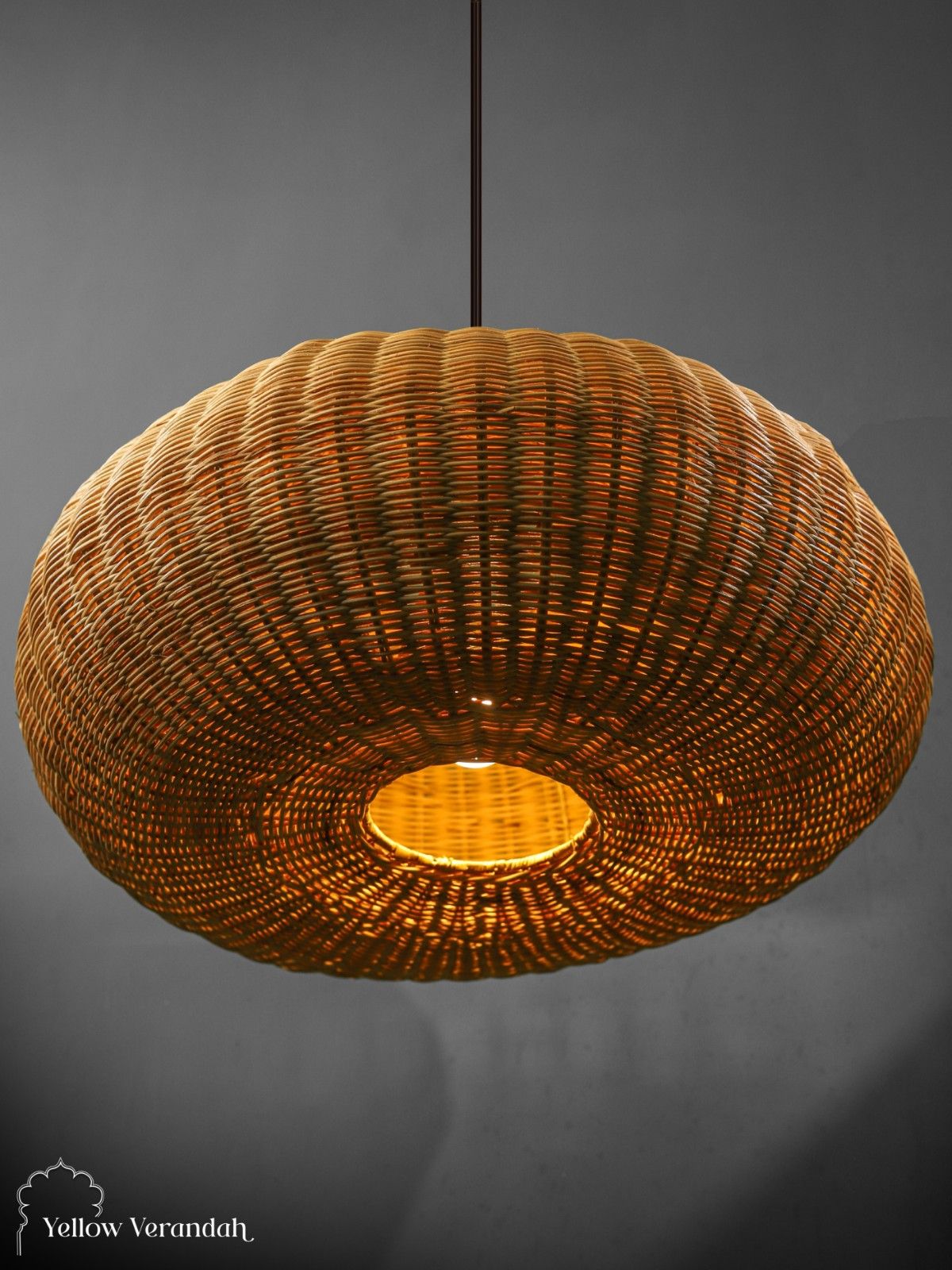
One of the biggest trends in contemporary interiors is the use of natural materials. Cane, rattan, jute, banana fibre, and seagrass lighting introduce texture and warmth while creating a connection to nature.
Pieces like Natural Cane Boho Hanging Pendant Lights, Banana Weave Pendant Hanging Lights, and Woven Banana Fibre Table Lamps create soft, diffused illumination and pair beautifully with modern, rustic, bohemian, and coastal interiors.
These fixtures bring an organic and relaxed atmosphere into any room.
8. Mood Lighting – Creating the Perfect Ambience
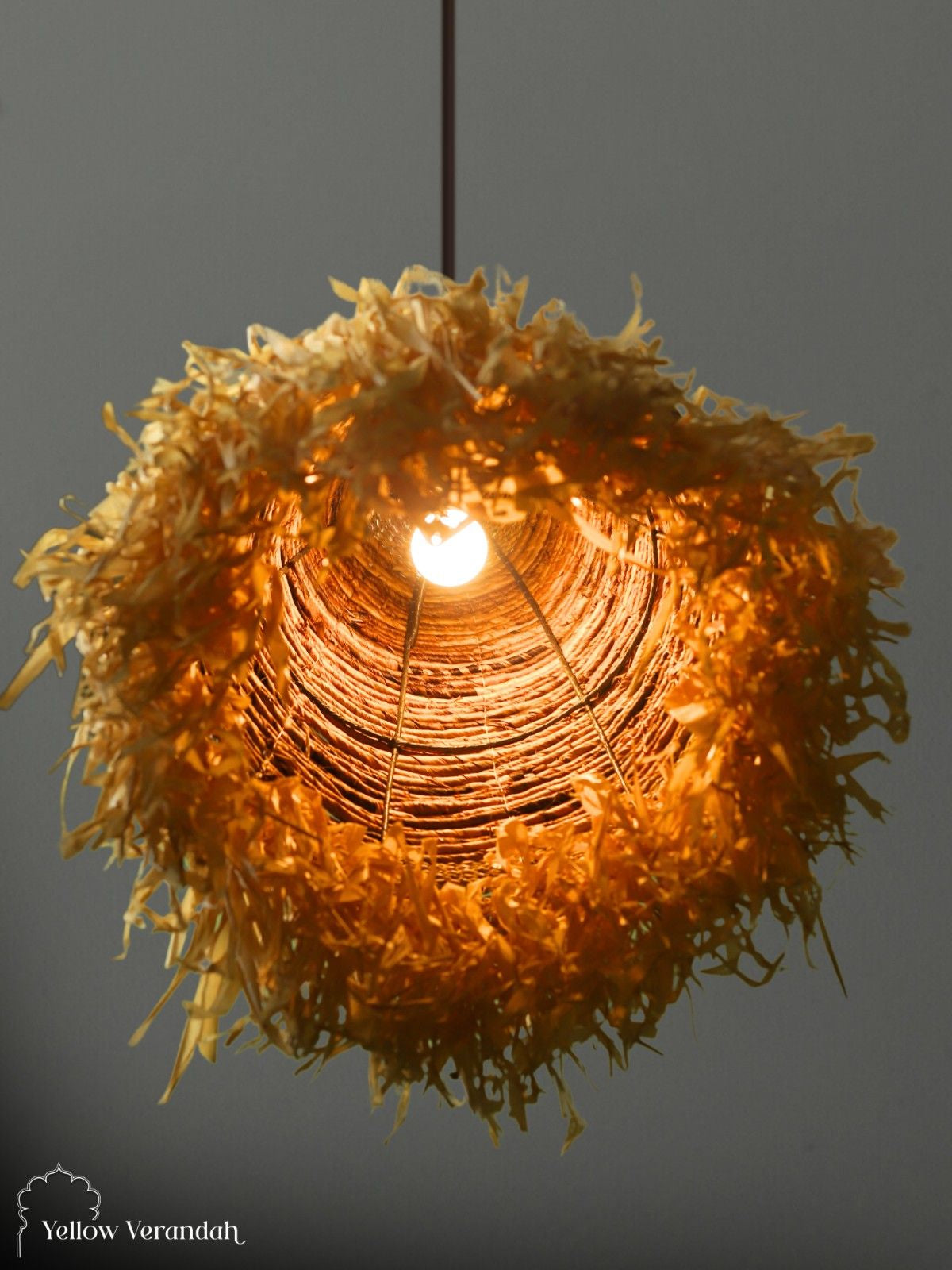
Mood lighting is all about emotion and atmosphere. Rather than providing strong illumination, it creates a specific feeling within a space. Warm lighting is often used to make rooms feel cosy, intimate, and welcoming.
Boho-inspired hanging lights, cane floor lamps, and softly diffused pendant lights are excellent mood lighting choices. They help transform ordinary spaces into relaxing retreats where homeowners can unwind and entertain comfortably.
The best interiors combine functionality with ambience, making mood lighting an essential component of home design.
How to Layer Different Types of Home Lighting
The secret to exceptional interior lighting lies in layering. Instead of relying on a single light source, designers combine multiple lighting types to create depth and flexibility.
A well-lit room typically includes:
- Ambient lighting for overall brightness
- Task lighting for functionality
- Accent lighting for visual interest
- Decorative lighting for personality
- Mood lighting for atmosphere
By combining these layers, homeowners can adapt a room to different activities and times of day while maintaining a cohesive design aesthetic.
Choosing the Right Lighting for Your Home
When selecting lighting fixtures, consider:
- Room size and ceiling height
- Natural light availability
- Interior design style
- Desired mood and functionality
- Material and texture preferences
For example, cane and rattan lights create warmth and texture, while sculptural pendant lights provide contemporary elegance. Floor lamps add dimension, while wall lights help highlight architectural features.
Choosing the right combination ensures your home feels both beautiful and practical.
Conclusion
Lighting does far more than illuminate a room—it defines atmosphere, enhances décor, and influences how people experience a space. Understanding the different types of home lighting helps homeowners make informed design decisions that improve both functionality and aesthetics.
Whether you're drawn to elegant pendant lights, handcrafted cane fixtures, statement floor lamps, or accent lighting, each lighting type plays an important role in creating a comfortable and visually appealing home. By thoughtfully layering ambient, task, accent, decorative, and mood lighting, you can transform any room into a warm, inviting, and beautifully illuminated space.
FAQs
1. What are the main types of home lighting?
The main types include ambient lighting, task lighting, accent lighting, decorative lighting, floor lighting, pendant lighting, natural material lighting, and mood lighting.
2. Why is layered lighting important?
Layered lighting creates flexibility, improves functionality, and adds depth and visual interest to interiors.
3. Are pendant lights suitable for every room?
Yes. Pendant lights can be used in dining rooms, kitchens, bedrooms, entryways, and living spaces depending on their design and scale.
4. What lighting creates a cosy atmosphere?
Warm mood lighting, cane pendant lights, floor lamps, and diffused ambient lighting help create a comfortable and inviting environment.
5. How do I choose the right lighting fixture?
Consider the room size, purpose, ceiling height, design style, and the type of ambience you want to create before selecting a fixture.
